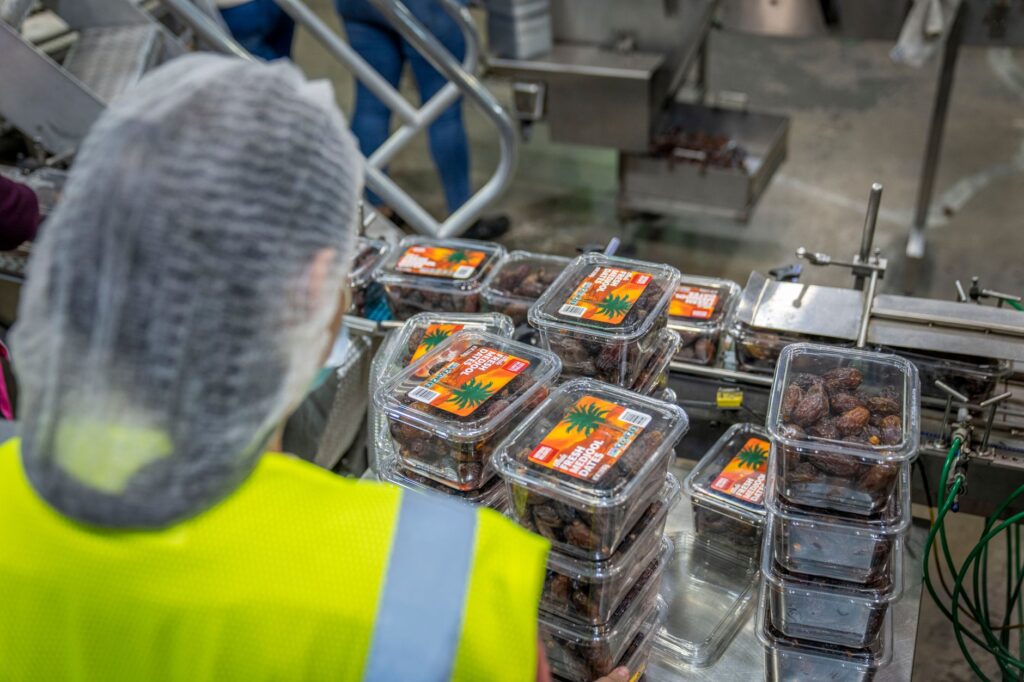
Food production relies on a delicate, complex relationship between biological processes and environmental conditions. Whether crops are cultivated across expansive traditional farmlands or within high-tech indoor growing facilities, their growth rate, nutritional quality, and total yield are shaped by external factors.
As global populations expand and climate patterns become less predictable, understanding these primary environmental inputs is essential for farmers, agronomists, and food producers. Here are eight critical environmental factors that dictate food production worldwide.
- 1. Temperature Fluctuations and Seasonal Extremes
- 2. Water Availability and Irrigation Quality
- 3. Relative Humidity and Atmospheric Moisture Control
- 4. Soil Structure and Microbial Nutrient Health
- 5. Sunlight Intensity and Photoperiod Duration
- 6. Carbon Dioxide (CO2) Concentrations and Air Quality
- 7. Biological Pressure: Pests, Weeds, and Diseases
- 8. Topography, Elevation, and Soil Erosion Vulnerability
- Myth vs. Fact: Environmental Factors in Food Production
- Core Environmental Audit Checklist for Producers
1. Temperature Fluctuations and Seasonal Extremes
Quick Answer: Temperature regulates seed germination, photosynthesis speed, and plant development, with extreme heat or unseasonal frosts causing widespread crop failure.
Every agricultural crop has a specific thermal range for optimal development. Ambient temperature dictates how quickly a plant metabolizes nutrients, absorbs water, and converts sunlight into energy.
When temperatures drop below a crop's minimum threshold, metabolic activity stalls, and late-season frosts can destroy delicate blossoms. Conversely, extreme heatwaves induce heat stress, causing plants to drop flowers, drop fruit prematurely, or enter defensive dormancy to conserve moisture.
2. Water Availability and Irrigation Quality
Quick Answer: Adequate freshwater supplies fuel plant cell expansion and nutrient uptake, whereas severe drought or waterlogging leads to root rot and crop loss.
Water is the primary transport mechanism for nutrients traveling from soil into root systems. Without consistent rainfall or controlled irrigation, crops experience drought stress, leading to stunted growth, wilting, and diminished harvest quality.
However, water quality is just as vital as volume. Saline irrigation water poisons sensitive crops, while waterlogged fields strip soil of oxygen, creating anaerobic conditions that kill beneficial microbes and encourage root rot pathogens.
3. Relative Humidity and Atmospheric Moisture Control
Quick Answer: Relative humidity controls plant transpiration rates and disease vulnerability, requiring careful microclimate management in open fields and indoor farms.
Relative humidity influences how plants "breathe." When surrounding air is overly humid, plants cannot evaporate water through their stomata, restricting internal nutrient movement and inviting fungal outbreaks like gray mold or powdery mildew. Conversely, extremely low humidity forces plants to transpire too rapidly, leading to dehydration.
Managing atmospheric moisture is particularly vital when evaluating controlled environment agriculture factors. In high-tech indoor farms and automated processing facilities, microclimates must be carefully regulated. High-tech growing setups use delicate sensor arrays and automated climate monitors that are sensitive to moisture fluctuations. Just as high-precision manufacturing plants depend on specialized humidity control for electronics to prevent circuit degradation and static interference, indoor agricultural hubs must maintain precise ambient moisture to protect automated environmental sensors while optimizing crop transpiration.
4. Soil Structure and Microbial Nutrient Health
Quick Answer: Healthy soil rich in organic matter and beneficial micro-organisms provides essential nitrogen, phosphorus, and potassium necessary for heavy crop yields.
Soil is far more than inert dirt; it is a living ecosystem. The physical texture of soil (clay, silt, or sand) determines drainage capacity, root penetration ease, and aeration.
Furthermore, soil chemistry dictates nutrient availability. Beneficial soil fungi and bacteria decompose organic material, transforming complex compounds into accessible plant food. Soil degradation from chemical overuse, compaction, or nutrient depletion drastically reduces agricultural productivity over time.
5. Sunlight Intensity and Photoperiod Duration
Quick Answer: Sunlight powers photosynthesis, while photoperiod duration (day length) triggers critical developmental milestones like flowering and seed production.
Plants rely on light energy to convert carbon dioxide and water into oxygen and plant sugars. Both light intensity and spectrum influence plant density, leaf size, and overall vigor.
Photoperiodism—the length of daily light exposure—also dictates crop development. Short-day crops like soybeans require longer night cycles to initiate flowering, whereas long-day crops like wheat bloom when daylight duration increases during late spring.
6. Carbon Dioxide (CO2) Concentrations and Air Quality
Quick Answer: Carbon dioxide acts as a core raw ingredient for plant growth, with elevated CO2 levels boosting photosynthetic efficiency in managed environments.
Carbon dioxide (CO2) is an indispensable component of photosynthesis. In open fields, ambient atmospheric CO2 hovers around 420 parts per million (ppm).
In enclosed greenhouses, growers intentionally elevate CO2 levels to 800–1,200 ppm to accelerate growth rates—a process known as carbon enrichment. However, poor ambient air quality containing high levels of ground-level ozone or industrial sulfur dioxide damages plant tissues and inhibits crop production.
7. Biological Pressure: Pests, Weeds, and Diseases
Quick Answer: Invasive weeds, insect infestations, and viral or fungal pathogens directly compete with food crops for space, light, and nutrients.
Environmental ecosystems contain competitive species that threaten food crops. Invasive weeds rapidly absorb groundwater and fertilizer, shading out young seedlings.
Additionally, climate shifts allow agricultural pests and fungal diseases to expand into new geographical regions. Implementing biological pest controls and crop rotation strategies helps mitigate these biological threats without over-relying on synthetic chemicals.
8. Topography, Elevation, and Soil Erosion Vulnerability
Quick Answer: Land slope and elevation influence local microclimates, drainage patterns, and topsoil loss caused by heavy wind and rain runoff.
The physical contours of the land dictate agricultural viability. Steep slopes are prone to severe topsoil erosion during heavy rainfall, washing away nutrient-rich upper soil layers.
Elevation also influences localized temperatures, frost risks, and atmospheric pressure. Farmers working hilly terrain often construct agricultural terraces or practice contour plowing to stabilize soil and conserve runoff water.
Myth vs. Fact: Environmental Factors in Food Production
Clearing up common misconceptions helps growers focus on effective farm management:
|
Misconception |
Agricultural Reality |
|
"More fertilizer always compensates for poor soil health." |
Over-fertilization burns root systems, alters soil pH, and pollutes local waterways without improving crop absorption. |
|
"Indoor farming completely eliminates all environmental risks." |
While indoor farming controls climate, it creates new risks regarding airflow, electrical reliability, and humidity control. |
|
"Rainfall volume is the only moisture metric that matters." |
Soil drainage, evaporation rates, and atmospheric humidity dictate whether water actually benefits the plant. |
Core Environmental Audit Checklist for Producers
Keep these vital variables monitored across every growing season:
- [ ] Soil pH & Nutrient Testing: Conduct semi-annual soil tests to monitor nitrogen, phosphorus, potassium, and trace minerals.
- [ ] Water Salinity Checks: Test irrigation water source quality for dissolved salts and mineral heavy metals.
- [ ] Sensor Calibration: Calibrate digital temperature, light, and humidity sensors every three months.
- [ ] Erosion Management: Install cover crops or terrace barriers on sloped acreage to prevent topsoil loss during heavy rains.
- [ ] Airflow Verification: Ensure greenhouse or field canopy spacing allows adequate ventilation to prevent stagnant moisture pockets.
Food production is governed by complex, interacting environmental factors. From global climate patterns and soil ecosystems to microclimate factors like humidity and light quality, every variable plays a role in determining harvest yields. By understanding these environmental influences and applying modern monitoring technologies, food producers can protect crop health, optimize resource usage, and build resilient agricultural systems for the future.