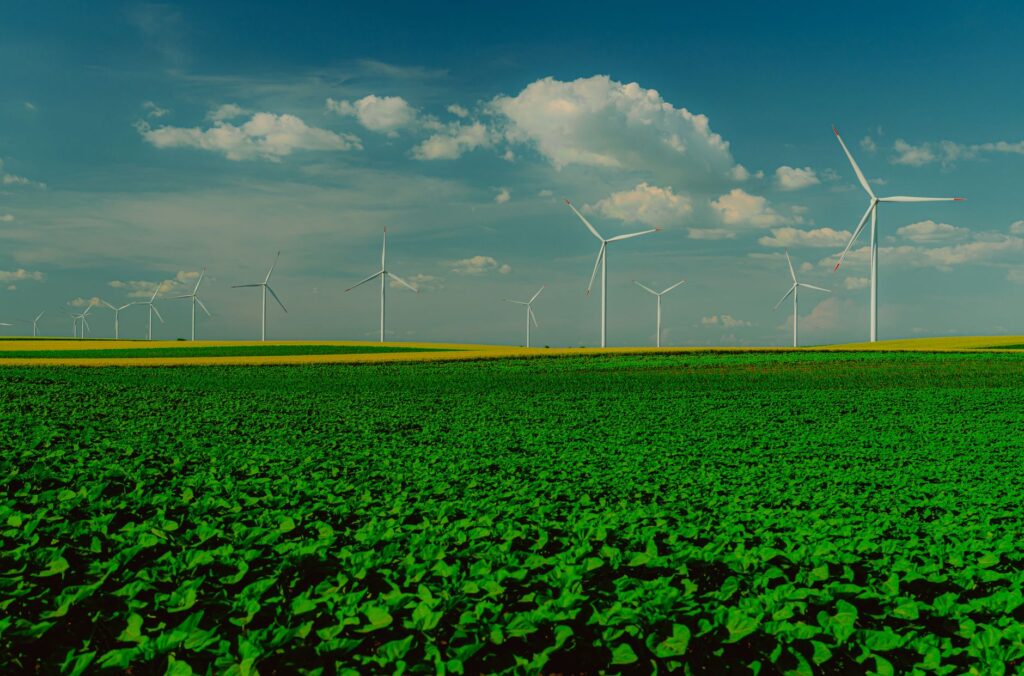
As global energy costs fluctuate and environmental awareness continues to expand, transitioning to clean power sources has become an increasingly attractive move for homeowners and commercial organizations alike. Whether you are considering rooftop solar panels, a small wind turbine, or a hybrid system, producing clean power offers long-term financial independence and significantly reduces your overall carbon footprint. However, executing a successful transition requires careful planning, technical precision, and a clear understanding of the project lifecycle.
The following guide walks through the fundamental stages of the renewable energy installation process, outlining what to expect from initial property assessment through long-term maintenance.
Phase 1: Energy Audits and Site Evaluation
Every successful installation begins with a detailed assessment of your current energy footprint. Reviewing past utility statements provides an accurate picture of your average monthly and seasonal kilowatt-hour consumption. Commercial property owners may also review business electricity rates to better understand their current energy expenses and evaluate the potential financial benefits of switching to renewable power. This baseline figure determines the system capacity and equipment size required to meet your power demands efficiently.
Once energy needs are established, experts conduct a physical evaluation of your property:
- Solar Potential: Roof orientation, tilt angle, structural load limits, and shading from surrounding trees or buildings are thoroughly analyzed.
- Wind Potential: Properties considering wind turbines require evaluation of average local wind speeds, terrain turbulence, and setback distances.
- Environmental Considerations: Identifying localized ecological features ensures the setup causes minimal disruption to surrounding natural habitats.
Phase 2: System Engineering and Component Selection
After verifying site viability, engineers design a custom system architecture tailored to the property’s architectural layout and grid requirements. Selecting high-quality, weather-resistant materials is critical for ensuring decades of reliable operation in outdoor environments.
Electrical integration forms the backbone of the system design. Specialized mounting hardware, inverters, transformers, and distribution enclosures are specified to manage current flow safely. Inside the primary electrical control panel, installers often integrate an aluminum din rail to neatly mount circuit breakers, relays, and protection devices, maintaining clean wiring organization and ensuring long-term serviceability.
Phase 3: Permits, Regulations, and Financial Incentives
Before physical assembly begins, project managers must navigate necessary regulatory approvals. Building permits, electrical safety compliance standards, and utility interconnection agreements must be secured to guarantee full compliance with local municipal codes.
Simultaneously, this phase involves identifying applicable tax credits, government rebates, and net metering programs. Taking advantage of regional clean energy incentives can drastically lower initial capital expenditure and accelerate your overall return on investment.
Phase 4: Physical Construction and Grid Interconnection
With approved engineering designs and permits in hand, physical installation commences. Construction workflows vary depending on the chosen technology:
- Solar Systems: Heavy-duty mounting racks are secured to the roof or ground, photovoltaic modules are fastened, and conduit cabling is routed to the central inverter.
- Wind Systems: Construction starts with reinforced concrete foundations, followed by tower erection, nacelle mounting, and blade attachment.
Electricians then finalize high-voltage connections, grounding systems, and safety disconnects, bringing the system into direct contact with the internal breaker panel and utility grid interconnection point.
Phase 5: Commissioning, Testing, and Maintenance
Before energizing the equipment, engineers perform comprehensive commissioning tests. They verify system output, check voltage stability, calibrate control units, and confirm all safety protocols function as intended. Once local authorities and utility inspectors give final approval, the system is officially activated.
Modern installations feature real-time monitoring software, enabling system owners to track energy generation continuously and detect potential performance drops early. While clean power systems require minimal ongoing upkeep, periodic surface cleaning, mechanical checks, and electrical inspections every few years ensure optimal efficiency throughout the system’s decades-long lifespan.
By understanding each step of the installation workflow, property owners can confidently navigate their clean energy journey and build a sustainable power future.