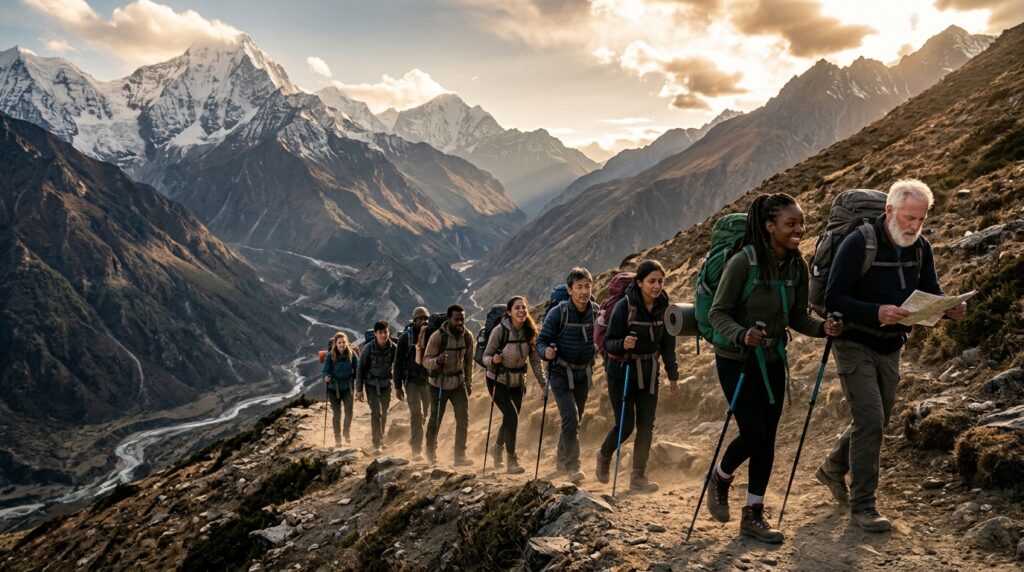
Great travel involves more than booking a flight and choosing a hotel. Every destination has its own transportation systems, cultural expectations, weather patterns, neighborhoods, events, and practical challenges. Travelers who understand these details before arriving are usually better prepared to enjoy the experience.
At the same time, excessive research can become counterproductive. The objective is not to know everything about a destination. It is to identify the information that affects your decisions, verify important details, and leave enough flexibility to experience the place naturally.
- Use Entertainment to Discover Destinations
- Compare Alternative Destinations
- Understand the Destination Before Booking
- Check Recent Information
- Separate Important News From General Headlines
- Create a Simple Information Dashboard
- Look at Local Perspectives
- Do Not Make Decisions From One Article
- Understand Breaking News Carefully
- Find Inspiration Beyond Traditional Travel Guides
- Avoid Information Overload
- Perform a Pre-Departure Update Check
- Understand What Information Requires Action
- Build Flexibility Into Every Itinerary
- Shop Without Losing Control of the Budget
- Keep Local Events in Perspective
- Use Magazine-Style Content for Inspiration
- Use Media as a Starting Point, Not a Final Authority
- Give Yourself a Digital Break
- Travel With an Open Mind
- Choose Accommodation Strategically
- Research Transportation Before Arrival
- Keep a Realistic Daily Schedule
- Prepare for Different Payment Systems
- Protect Important Travel Documents
- Learn Basic Phrases
- Understand Local Customs
- Use Food to Understand the Destination
- Explore Beyond the Main Attraction District
- Take Breaks During Long Trips
- Keep Your Plans Flexible When Weather Changes
- Respect Local Communities
- Spend Money Locally When Practical
- Do Not Try to Photograph Everything
- Keep Notes About What Worked
- Good Travel Research Should Create Confidence, Not Anxiety
Use Entertainment to Discover Destinations
Movies, television, documentaries, music, and games can introduce people to destinations they had never considered visiting. A memorable film location or fictional environment can create genuine curiosity about a country or city.
Film enthusiasts browsing online may encounter resources such as Filme Penet, while entertainment and celebrity-oriented research can lead to sites such as Gossip News Line. Gaming enthusiasts may similarly encounter resources such as Konami Europe.
Entertainment can provide inspiration, but remember that fictional representations rarely show the complete reality of a destination.
Compare Alternative Destinations
When one destination becomes too expensive, crowded, or difficult to reach, look for alternatives rather than abandoning the trip entirely.
Travelers researching different options may encounter general resources such as Alternatives Times and Similar Times.
A smaller neighboring city can sometimes provide similar architecture, food, beaches, or landscapes with fewer crowds and lower costs.
Understand the Destination Before Booking
Spend some time learning about current conditions before committing substantial money to a trip.
General online research may expose travelers to resources such as VNZ News, WAF News, and ATV Wire.
For information that directly affects safety, visas, or entry requirements, confirm details through the relevant official authorities.
Check Recent Information
Travel articles can remain online for years even after important details become outdated. Transportation routes change, restaurants close, hotels are renovated, and admission procedures are updated.
People searching for recent developments may encounter resources such as Latest News Today, News Updates Now, and Today Newsletter.
Always check publication dates when researching information that could change frequently.
Separate Important News From General Headlines
Travelers can easily become concerned after reading dramatic headlines about a destination. The important question is whether the development actually affects the area you plan to visit.
During broader news research, readers may encounter sites such as BBC News Point, News Raid, and News Takeuchi.
Consider location, scale, timing, and relevance before changing an itinerary.
Create a Simple Information Dashboard
A complicated trip may involve flights, trains, accommodation, attraction reservations, restaurants, visas, and multiple transportation apps.
Instead of keeping everything scattered across messages and browser tabs, create one central document containing the essentials.
General information browsing may lead travelers to resources such as News Panel. The broader principle is useful: important information becomes easier to understand when it is organized rather than consumed randomly.
Look at Local Perspectives
Large international publications can explain major events, but local or regional sources may provide more detail about neighborhoods, transportation changes, festivals, and everyday developments.
Travelers researching different perspectives may encounter resources such as Bullhorn News, Colum News, and Top SM News.
Compare local information with authoritative sources when a development could materially affect the journey.
Do Not Make Decisions From One Article
One negative story should not automatically cause a traveler to cancel an entire trip, just as one enthusiastic review should not automatically convince someone to book it.
Broad research may lead to resources such as Wheon News, Butler Dispatch, and Daily Heralds.
Compare multiple perspectives and identify where the underlying facts agree.
Understand Breaking News Carefully
Early reporting during a developing event is often incomplete. Details may change substantially within several hours.
Travelers following developing stories may encounter outlets such as First Reporter, Credins Press, and Pat Big Old Media.
Unless immediate action is necessary, allow enough time for reliable information to emerge before making expensive changes to flights or accommodation.
Find Inspiration Beyond Traditional Travel Guides
Travel inspiration can come from food writing, photography, architecture, lifestyle stories, interviews, or cultural reporting.
During this broader exploration, travelers may encounter media resources such as Pudding Media and Yamama Media.
A story about a local tradition or neighborhood can sometimes inspire a more interesting itinerary than a conventional list of attractions.
Avoid Information Overload
Researching a destination can become an endless process. There will always be another article, review, video, or recommendation available.
General news searches might lead readers to resources such as Fox News Co, ITV News24, and News Xoomer.
Once you understand the essentials, stop collecting information and begin converting it into actual decisions.
Perform a Pre-Departure Update Check
A few days before leaving, check information that could have changed since the trip was originally booked.
Travelers scanning recent updates may encounter sites such as TG Daily News, Get News Update, and Globe News 12.
More importantly, verify flight schedules directly with the airline, railway information with the operator, and entry requirements through official channels.
Understand What Information Requires Action
Not every development about a destination requires travelers to change their plans.
Broad information searches may lead to resources such as News 4 Public, The News Detail, and Its News.
Ask whether the information changes transportation, accommodation, safety, entry rules, or an activity on your itinerary. If not, it may simply be useful background context.
Build Flexibility Into Every Itinerary
Even carefully planned trips encounter unexpected changes. Weather can cancel an outdoor activity, a train can be delayed, or an attraction can close unexpectedly.
Travelers following general developments may encounter resources such as TNT News, Turn News, and Under News.
Instead of creating one rigid plan, keep alternatives for important days.
Shop Without Losing Control of the Budget
Shopping is part of the travel experience for many people. Local clothing, handicrafts, food, and souvenirs can provide meaningful reminders of a journey.
Travelers researching shopping-related topics may encounter resources such as New Shop U, while broader information browsing may lead to sites such as News Hub Network.
Set a rough shopping budget before departure so spontaneous purchases do not consume money reserved for transportation or activities.
Keep Local Events in Perspective
When researching a city, consider how large it is and where an event occurred. Something happening in one neighborhood may have no practical effect on another part of a large metropolitan area.
Travelers gathering general information may encounter sites such as Pind News and Reck News.
Always examine geographic context rather than treating the name of an entire city or country as though every area is experiencing identical conditions.
Use Magazine-Style Content for Inspiration
Magazine-style stories can be especially useful for discovering culture, neighborhoods, food, art, and people beyond major attractions.
Travelers exploring broader editorial content may encounter resources such as Nova Mag, PDX Magazine, and Sindo Weekly Magz.
These kinds of stories can inspire slower exploration rather than simply moving between famous landmarks.
Use Media as a Starting Point, Not a Final Authority
Articles can introduce ideas, but travelers should verify practical details separately.
General media browsing may lead to resources such as Ugen Media.
If an article recommends a particular market, restaurant, museum, or neighborhood, check its current opening status and location before building an itinerary around it.
Give Yourself a Digital Break
Constantly checking news, social media, messages, and reviews can make a trip feel surprisingly similar to staying at home.
Broad internet browsing may expose travelers to general sites such as 3AAM, Bareto, and IWDN.
Once the important information has been checked, put the phone away periodically and experience the destination directly.
Travel With an Open Mind
Online research creates expectations before arrival. Photographs can make places look perfect, while negative stories can make them appear intimidating.
During general browsing, travelers may encounter independent resources such as Mariza.
Try to arrive with informed expectations but enough curiosity to form your own opinion.
Choose Accommodation Strategically
Accommodation should be evaluated according to location, transportation, comfort, safety considerations, and total cost rather than room price alone.
A hotel located farther from the center may appear cheaper until daily transportation expenses and travel time are included.
Look at the property on a map and check the route to the places you expect to visit most frequently.
Research Transportation Before Arrival
Learn how to travel from the airport or station to your accommodation before reaching the destination.
Check whether public transportation operates at your arrival time, how tickets are purchased, and whether taxis or ride-hailing services are commonly used.
Download relevant transportation apps and offline maps before leaving reliable internet access.
Keep a Realistic Daily Schedule
Travel itineraries frequently underestimate how long ordinary activities take. Breakfast, transportation, queues, finding entrances, and walking between attractions all consume time.
Instead of scheduling an attraction every hour, select a few priorities and allow enough time to enjoy them properly.
A less crowded schedule also makes unexpected discoveries possible.
Prepare for Different Payment Systems
Do not assume every destination accepts the same payment methods you use at home.
Research whether cards are commonly accepted, whether cash remains important, and what foreign transaction or ATM fees may apply.
Keeping a backup payment method separately from the main wallet can be useful if a card is lost or unexpectedly declined.
Protect Important Travel Documents
Passports, visas, insurance information, and transportation documents should remain accessible but secure.
Keep appropriate digital backups separately from the originals. This does not replace physical documents where originals are required, but copies can be useful if something is lost.
Learn Basic Phrases
Even when English is commonly spoken, learning several words in the local language can improve interactions.
Greetings, thank you, excuse me, yes, no, numbers, and simple transportation or food questions are useful starting points.
Perfect pronunciation is not required. The willingness to make an effort can itself be appreciated.
Understand Local Customs
Social expectations surrounding clothing, tipping, photography, greetings, and religious locations can differ considerably.
Research basic etiquette before arrival, especially when visiting culturally sensitive places.
If signs prohibit photography or restrict access, respect those rules even if other tourists appear to ignore them.
Use Food to Understand the Destination
Food reveals geography, history, migration, religion, agriculture, and family traditions.
Try regional dishes and visit different types of food environments, from markets and bakeries to neighborhood restaurants.
Travelers with allergies should prepare translated explanations when language differences could make communication difficult.
Explore Beyond the Main Attraction District
Famous areas deserve attention, but they often represent only a small part of a city.
Spend some time walking through ordinary neighborhoods, parks, local shopping streets, or less famous cultural areas where appropriate.
This can provide a more balanced impression of everyday life.
Take Breaks During Long Trips
Travel fatigue builds gradually. After several consecutive days of sightseeing, even exciting attractions can begin to feel repetitive.
A slower morning, afternoon in a café, or evening at the hotel can restore energy for the remainder of the journey.
Rest is part of a sustainable itinerary, not wasted vacation time.
Keep Your Plans Flexible When Weather Changes
Outdoor attractions can become unpleasant or unsafe during severe weather.
Prepare a small list of museums, markets, cafés, shopping areas, or other indoor activities that can substitute for outdoor plans.
Moving activities between days is often better than stubbornly following an itinerary created months earlier.
Respect Local Communities
Popular destinations can experience significant pressure from tourism. Visitors should remember that tourist neighborhoods are also places where people live and work.
Keep noise reasonable, follow local rules, dispose of waste appropriately, and avoid entering private areas for photographs.
Respectful travel creates better experiences for both visitors and residents.
Spend Money Locally When Practical
Local restaurants, guides, markets, cafés, and independently operated businesses can provide distinctive experiences.
Choosing some locally operated businesses can also help travelers experience a destination beyond international chains.
This does not require avoiding larger companies entirely; it simply adds variety to how money is spent during the journey.
Do Not Try to Photograph Everything
Photographs preserve memories, but experiencing an entire trip through a phone screen can reduce attention to the moment itself.
Take the photographs you genuinely want, then spend some time simply observing.
A few meaningful photographs can sometimes preserve a journey better than thousands of nearly identical images.
Keep Notes About What Worked
After returning home, write down practical lessons while they are still fresh.
Which accommodation location worked well? Which items were unnecessary in the suitcase? Was the itinerary too busy? Which transportation option was easiest?
These observations make the next trip easier to plan.
Good Travel Research Should Create Confidence, Not Anxiety
The purpose of travel research is to reduce avoidable uncertainty. It should help you understand where you are going, what you need, how you will move around, and what deserves attention.
Once the essential questions have been answered, allow yourself to stop researching.
Prepare carefully, verify important information, keep alternative plans available, and remain curious. Then spend less time worrying about whether every detail is perfect and more time experiencing the destination in front of you.