It’s one of those word puzzles that sounds easy until you try it. You know the person: they set up a stall, they buy and resell goods, they haggle over a price. But what do you call someone who sells or barters? If you’ve been hunting for the right term, someone who sells or barters is most often called a trader, and there are several other good answers depending on the situation.
The most common answer: trader
“Trader” is the broadest and most natural word. A trader buys, sells and exchanges goods, and the word covers both money deals and swaps. It’s the term a crossword setter will usually have in mind, and it works for a market vendor, a stock dealer or a person trading collectibles online. If you only learn one word, learn this one.
Other words, and when to use them
English has plenty of near neighbours, and each leans a slightly different way.
Merchant is more formal and suggests someone who runs a business buying and selling at scale. Think of the old spice merchants who moved goods across seas, or a wine merchant with a shop.
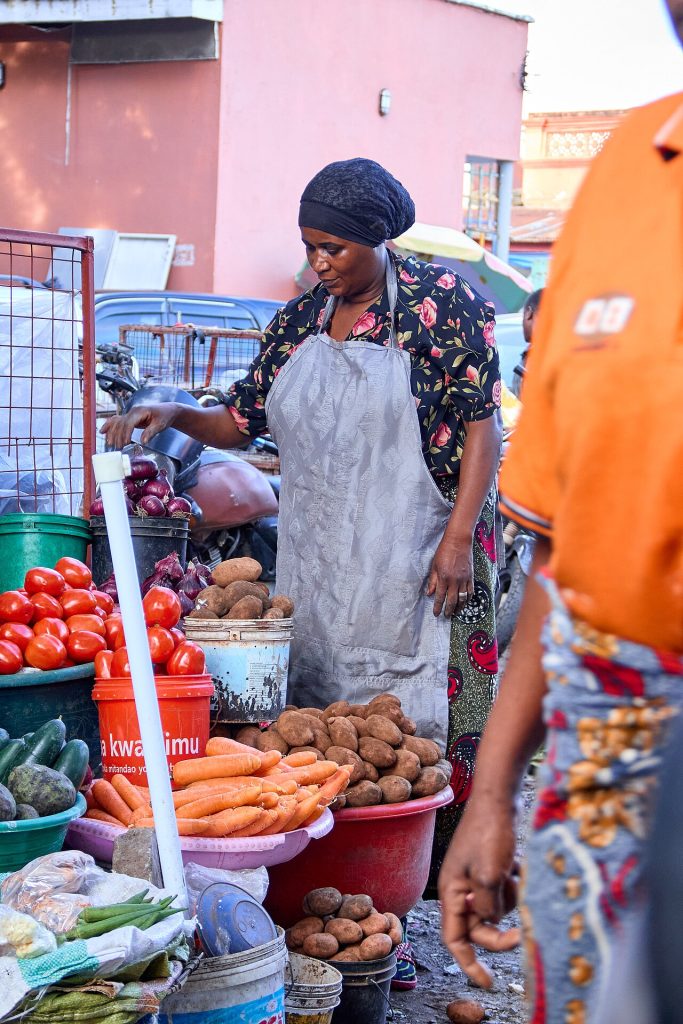
Vendor is the everyday word for someone selling in a public place, like a street vendor with a hot dog cart or a stallholder at a food market.
Dealer usually means someone who buys and sells a particular kind of thing, such as an antiques dealer or a car dealer. It’s sometimes used for illegal trade, so be careful with it.
Peddler or hawker describes someone who sells goods while moving around, door to door or along the street. The word peddler can sound old fashioned, and sometimes a little negative.
Barterer is the exact word for someone who swaps goods or services without using money, though most people say “trader” or “swapper” instead.
Shopkeeper, retailer and seller are the plain, general terms that fit almost any situation. “Seller” is probably the most flexible of all, since it works online and offline.
What does bartering actually involve?
Bartering is trade without cash. You give something you have and receive something you need. A farmer trades eggs for a haircut. A carpenter builds a shelf for a friend who fixes his laptop. It’s one of the oldest forms of commerce there is, and it never went away. Today you’ll see it in online swap groups, community skill exchanges and even between small businesses that trade services instead of paying invoices.
The main challenge is agreeing on value. Two people have to both want what the other offers, and they have to feel the swap is fair. That’s why money became so popular, since it gives everyone a shared way to measure worth.
Picking the right word for your sentence
Ask yourself a few quick questions. Is it a formal setting? Use merchant or trader. Is it a person at a stall or cart? Vendor fits. Is the exchange without money? Barterer or trader both work, and a short explanation helps. Is it a crossword clue? Count the letters, because “trader” has six and “dealer” has six too, so the crossing letters will decide.
It also helps to think about tone. “Merchant” can sound grand, “peddler” can sound shabby, and “seller” is neutral. Choose the one that matches the picture you want in the reader’s mind.
A quick example
Imagine a market in a small town. The woman selling jam is a vendor. The man who buys old furniture and resells it is a dealer. The woman who swaps her honey for the baker’s bread is bartering, and anyone watching could simply call her a trader. All of them sell or exchange goods, but each word paints a slightly different scene.
If you enjoy sorting out word pairs and meanings like this, compairro.com has plain comparisons that make the differences easy to see.
So the next time a clue or a sentence asks for someone who sells or barters, reach for “trader” first, and keep the other words ready for when you need more precision.