Renting comes with legal protections that many tenants never learn about until something goes wrong. Knowing where a landlord’s authority ends helps you push back on unfair treatment and avoid conflicts that escalate into evictions or lost deposits.
The Right to a Habitable Home
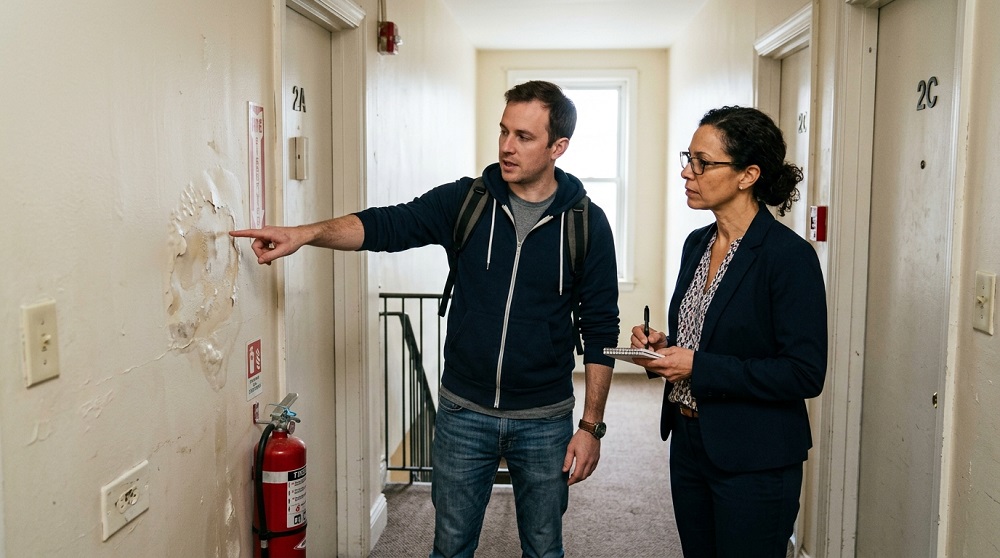
Nearly every jurisdiction requires landlords to keep rental units livable. That typically means working plumbing, safe electrical systems, adequate heat, secure locks, and freedom from pest infestations and structural hazards.
A landlord cannot shift these obligations onto you through a lease clause. If a lease says the tenant is responsible for major structural repairs, that provision is often unenforceable. When something breaks, put your request in writing and keep a copy — verbal complaints are difficult to prove later.
Privacy and Notice of Entry
Your unit is your home, not open space for the owner.
- Cannot: enter without notice for routine matters such as inspections, showings, or non-urgent repairs
- Can: enter immediately in a genuine emergency, like a burst pipe or fire
- Can: enter after providing proper written notice, commonly 24 to 48 hours depending on local law
Repeated unannounced visits may amount to harassment, and some states allow tenants to recover damages for it.
Security Deposits
Landlords may collect a deposit and deduct for unpaid rent and damage beyond ordinary wear and tear. They generally cannot:
- Charge for normal aging, such as faded paint or worn carpet
- Keep the deposit without an itemized written statement
- Hold funds indefinitely; most states set a return deadline of 14 to 60 days after move-out
Photograph the unit at move-in and move-out. Those images settle most deposit disputes before they start.
Rent Increases and Lease Changes
During a fixed-term lease, rent is locked at the agreed amount unless the lease itself provides otherwise. A landlord cannot raise it mid-term simply because market rates climbed.
For month-to-month arrangements, increases are permitted with proper advance notice, often 30 to 60 days. Rent-controlled or rent-stabilized units follow stricter caps set by local ordinance.
Discrimination Is Prohibited
Federal fair housing law bars refusing to rent, setting different terms, or steering applicants based on race, color, national origin, religion, sex, familial status, or disability. Many states and cities add protections covering source of income, sexual orientation, gender identity, age, or military status.
Landlords must also allow reasonable accommodations for disabilities, including service animals, even where a no-pets policy exists.
Evictions Must Follow a Legal Process
This is where landlords most often overstep. A landlord cannot force you out by:
- Changing the locks
- Shutting off water, heat, or electricity
- Removing your belongings
- Threatening or intimidating you into leaving
These “self-help” evictions are illegal almost everywhere. A lawful eviction requires written notice, a court filing, a hearing where you can respond, and a court order enforced by law enforcement.
What Landlords Legitimately Can Do
Tenant rights are not unlimited. A landlord may screen applicants using credit and background checks applied consistently, enforce reasonable lease rules, charge documented late fees, require renters insurance, and begin eviction proceedings for genuine violations such as nonpayment.
If Your Rights Are Violated
Start with a dated written notice describing the problem and the remedy you want. If that fails, contact your local housing authority or a tenant advocacy organization; many offer free advice. Small claims court handles most deposit disputes without a lawyer, and legal aid societies assist low-income tenants facing eviction.
Bottom Line
Document everything, communicate in writing, and learn your state’s specific rules. Informed tenants resolve problems faster and rarely end up in court.
This article is general information, not legal advice. Landlord-tenant law varies significantly by state and city; consult a local attorney or housing agency about your situation.