A beautifully decorated home can still have an oversized electrical panel in the hallway, an outdated thermostat in the living room, or a collection of internet cables hanging behind the television. These everyday essentials rarely complement modern interiors, yet removing them is usually not an option. They serve important purposes, but that does not mean they need to dominate the room.
Home improvement does not always require expensive renovations, custom-built cabinets, or designer furniture. Some of the most noticeable improvements come from inexpensive materials, creative furniture arrangements, and simple DIY projects. A wooden frame, a coat of paint, or a carefully selected console table can change how an entire wall looks.
The secret is to work with the existing features rather than against them. Electrical equipment must remain accessible, air vents need sufficient circulation, and wireless devices require adequate ventilation. Understanding these requirements helps homeowners make better decorating decisions without creating unnecessary maintenance problems.
Combined with affordable furniture, warmer lighting, and coordinated materials, these small improvements can give an ordinary property a more polished appearance without draining the household budget.
1. The Walls You Wish You Could Redesign
Electrical breaker boxes often occupy some of the most inconvenient locations in a house. Builders typically prioritize accessibility over appearance, leaving homeowners with large metal panels in entrances, corridors, and occasionally dining areas. Their industrial appearance can look particularly out of place against freshly painted walls or decorative wallpaper.
One creative option, where local electrical regulations permit it, is to disguise a breaker box with hinged artwork. A lightweight canvas or framed print can become a decorative door that opens independently, providing access to the original panel without modifying it. The artwork should never interfere with the panel door, required working clearances, or emergency access.
Abstract paintings, botanical prints, and oversized landscape photographs work well for this purpose. Homeowners can also purchase inexpensive canvases and paint their own geometric designs using colors already present in the room.
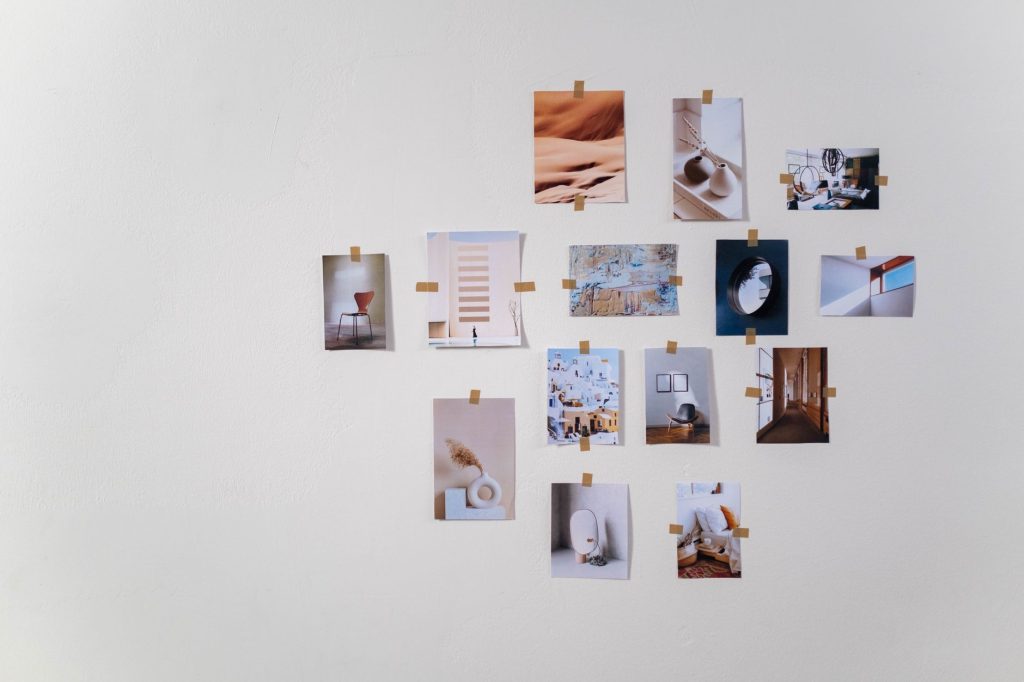
Another approach involves building a gallery wall around the electrical panel rather than covering it. Several pictures of different sizes can make the panel less noticeable by surrounding it with more interesting visual elements. Choosing frames with similar finishes creates a cohesive arrangement without making the wall look overcrowded.
When covering electrical equipment is not permitted, painting the surrounding wall a similar color can reduce the contrast. A dark gray electrical panel against a charcoal accent wall, for example, attracts considerably less attention than the same panel against a bright white surface.
Thermostats present a different decorating challenge because they are frequently positioned at eye level. Older models often feature yellowed plastic, bulky buttons, and small digital displays that clash with contemporary interiors.
A decorative arrangement around the thermostat is generally a better solution than enclosing it. Surrounding the device with small photographs, illustrations, or framed prints can make it appear less isolated. Thermostats must remain exposed to normal room conditions to measure temperatures accurately.
Homeowners planning to upgrade their heating or cooling controls could also consider a compatible modern thermostat. Many newer models have slimmer profiles, minimalist displays, and neutral finishes that blend more naturally into residential interiors.
Exposed pipes can be equally frustrating, particularly in older apartments where plumbing runs along interior walls. Instead of attempting to hide every pipe behind expensive construction, homeowners can incorporate suitable pipes into the existing color scheme.
Copper tones can complement industrial interiors, while matte black finishes work well alongside darker furniture and metal accessories. Painting suitable pipes the same color as the wall offers a quieter alternative. Gas lines, valves, and other specialized equipment may have specific safety and identification requirements, so check before painting or concealing them.
Removable wallpaper provides another affordable way to improve visually awkward walls. Textured patterns, subtle geometric designs, and imitation plaster finishes add character while reducing the prominence of unattractive fixtures.
The goal is not to disguise every practical feature completely. Sometimes, making an object less noticeable is enough to improve the appearance of the entire room.
2. Hiding Technology Without Sacrificing Performance
Modern households rely on more electronic devices than ever before. Routers, charging stations, television cables, gaming consoles, and smart home accessories can quickly overwhelm an otherwise organized interior. The problem becomes especially noticeable when internet providers install equipment in prominent locations.
Wall-mounted routers are among the easiest electronic devices to incorporate into a decorative arrangement. An open-sided wooden shelf or a ventilated decorative enclosure can partially disguise the equipment while allowing heat to escape.
Natural wood is often a better choice than metal for router covers because metal can interfere with wireless signals. However, thick materials and tightly enclosed cabinets can also affect performance. Follow the manufacturer's ventilation requirements and test the connection after changing the router's surroundings.
A small floating shelf can provide an alternative to a dedicated enclosure. Positioning the router alongside books, lightweight decorations, or a small artificial plant helps it blend into the arrangement without blocking its ventilation openings.
Cable management can produce an even more noticeable improvement. Loose wires create visual clutter, collect dust, and make furniture arrangements appear unfinished. Inexpensive adhesive cable channels can organize suitable cables along walls, skirting boards, and the backs of cabinets.
Paintable cable channels are particularly useful because they can match the surrounding surfaces. A white cable running across a dark green wall immediately attracts attention, while a matching green cable channel becomes much less noticeable.
Television installations benefit from similar improvements. Instead of allowing power and HDMI cables to hang beneath a wall-mounted screen, homeowners can use suitable surface-mounted channels or arrange the furniture below to conceal the visible connections. Electrical power cords should never be routed inside walls unless the installation and materials are specifically approved for that purpose.
Charging stations also deserve attention. Phones, tablets, headphones, and smartwatches often occupy kitchen counters and bedside tables, creating a permanent collection of tangled wires.
A dedicated charging station with accessible cable openings can keep devices organized. Open desktop organizers and ventilated charging accessories provide convenient alternatives to leaving chargers scattered around the house. Avoid charging electronics inside tightly enclosed drawers or placing power strips in crowded decorative baskets.
Home offices can benefit from inexpensive under-desk cable trays. Attaching a suitable tray beneath a desk lifts cables away from the floor and creates more space around the chair. Reusable cable ties can group individual wires without making future adjustments difficult.
Media cabinets offer another opportunity to combine storage with decoration. Models with open backs, suitable ventilation, and cable openings can accommodate electronic equipment without leaving every device on display.
Technology does not need to disappear entirely. A well-organized collection of electronic devices can look considerably better than an elaborate attempt to conceal them.
3. Making Unattractive Architectural Features Part of the Decor
Return air vents are rarely included in interior design plans, yet their appearance can influence the atmosphere of a room. Large rectangular grilles, particularly those with aging white finishes, often stand out against carefully decorated walls. Replacing or refinishing them can make a surprising difference without requiring major modifications.
Decorative air return grilles come in various patterns, colors, and materials. Geometric designs complement contemporary interiors, while traditional ornamental patterns suit older properties. Black finishes can work well in industrial spaces, whereas brushed metallic finishes offer an alternative to standard white plastic or painted metal.
Homeowners should prioritize airflow when choosing replacement grilles. A decorative model with smaller openings may restrict circulation, even if its external dimensions match the original. Check its airflow specifications and compatibility with the existing heating and cooling system before purchasing.
Painting an existing grille is a cheaper option. Matching the grille to the wall creates a more uniform appearance, particularly in rooms decorated with darker colors. Where the material permits painting, remove the grille, clean it thoroughly, and apply thin coats without obstructing its openings.
Furniture placement can also reduce the visual prominence of air vents. A decorative arrangement nearby may draw attention elsewhere, provided furniture, curtains, and accessories do not obstruct airflow or prevent maintenance.
Radiators present similar challenges in properties with central heating. Older models can appear bulky, especially in smaller bedrooms and narrow corridors. Repainting a suitable radiator with heat-resistant paint can refresh its appearance without replacing the entire unit.
Homeowners who prefer radiator covers should choose designs that accommodate heat circulation and provide access to valves. Wooden frames with open slats or perforated fronts generally offer better circulation than solid decorative panels, although covers can still influence heating performance.
Structural columns offer opportunities for more creative improvements. A concrete pillar in the middle of an open-plan apartment may initially appear inconvenient, but the right finish can turn it into an attractive architectural feature.
Decorative wood panels, textured plaster, and contrasting paint can help columns complement surrounding furniture. A column finished in natural oak tones, for instance, can connect visually with a wooden dining table or shelving unit.
Awkward alcoves can become practical storage areas instead of wasted space. Inexpensive floating shelves, slim bookcases, or small accent chairs can give these areas a purpose. Adding a warm reading lamp creates a comfortable corner without investing in custom cabinetry.
Decorative wall molding provides another inexpensive solution for bland interiors. Lightweight molding can create rectangular wall panels, introduce texture, and give plain surfaces more architectural character. Painting the molding and wall in the same color produces an understated finish that works particularly well in bedrooms and dining rooms.
Homeowners should resist the temptation to cover every inconvenient feature with decorative panels. Too many different textures, patterns, and materials can make a room feel unnecessarily busy. Select a few improvements that complement the existing architecture and allow other features to blend quietly into the background.
4. Affordable Furniture That Makes Your Home Look More Expensive
Furniture has a considerable influence on whether a room feels organized, comfortable, or unfinished. Even attractive flooring and freshly painted walls can lose their appeal when surrounded by mismatched cabinets, oversized chairs, and outdated storage units.
Replacing selected pieces does not necessarily require a substantial budget. Affordable furniture can look remarkably sophisticated when homeowners pay attention to proportions, materials, colors, and smaller design details.
Console tables are among the most useful additions to an entrance or hallway. Their narrow dimensions make them suitable for smaller spaces, while their surfaces provide room for lamps, decorative bowls, and everyday belongings. Models combining black metal frames with natural wood finishes are widely available at accessible prices.
Sideboards offer greater storage capacity and help reduce visible clutter. A low cabinet with simple doors can store documents, household accessories, games, and other items that would otherwise occupy shelves and countertops. Choosing elevated legs instead of a solid base can make the cabinet appear lighter in a small room.
Dining furniture provides opportunities to look beyond traditional residential collections. Suppliers specializing in bar and restaurant furniture often carry attractive chairs, stools, and compact tables designed for frequent use. Their collections can be worth exploring when looking for durable seating at reasonable prices.
Dining chairs do not need to match the table perfectly. A natural wooden table can look attractive alongside olive-green upholstered chairs, black metal seating, or cream-colored fabric designs. Maintaining a consistent material or color gives the arrangement a coordinated appearance without requiring a complete matching set.
Secondhand furniture offers excellent opportunities for finding quality pieces at lower prices. Older solid wood cabinets, dining tables, and dressers may cost considerably less than new furniture made from inexpensive composite materials. Minor scratches, outdated handles, and worn finishes can often be addressed with basic restoration.
Replacing furniture hardware is one of the simplest upgrades available. Standard chrome handles can be exchanged for brushed brass, matte black, or wooden alternatives. The change requires relatively little effort but can transform the appearance of an ordinary cabinet.
Furniture legs provide similar opportunities. Replacing bulky plastic legs with compatible wooden or metal alternatives can give an inexpensive sofa or cabinet a more contemporary appearance. Check the mounting system and weight capacity before making modifications.
Upholstered furniture deserves careful consideration because fabric quality influences both appearance and maintenance. Neutral colors such as beige, stone gray, oatmeal, and taupe provide a useful foundation for different decorating styles. Textured fabrics can introduce visual interest without relying on bold patterns.
An affordable sofa can look considerably more inviting with a few carefully selected cushions and a textured blanket. Combining different cushion sizes and complementary materials produces a more natural arrangement than purchasing several identical decorative accessories.
Coffee tables can also improve the character of a living room. Rounded wooden designs soften spaces dominated by rectangular furniture, while glass tables reduce visual obstruction in smaller apartments. Nested tables provide additional surface space when needed without permanently occupying the center of the room.
Multifunctional furniture makes particular sense in properties with limited storage. Ottomans with internal compartments, beds with drawers, and benches with concealed storage reduce the need for additional cabinets. Fewer furniture pieces leave more open floor space and make cleaning easier.
Open shelving requires a more deliberate approach. Although inexpensive shelving units provide plenty of storage, filling every compartment with miscellaneous belongings creates visual clutter. Combining books, matching storage boxes, and a small selection of decorations gives shelves a more organized appearance.
Furniture outlets, clearance sales, online marketplaces, and end-of-season promotions can stretch a decorating budget considerably. Discontinued collections or showroom models may offer substantial savings, especially when minor cosmetic imperfections are acceptable.
The most convincing affordable interiors rarely depend on expensive individual objects. They rely on furniture that fits the room, coordinated finishes, sensible storage, and enough open space for each piece to stand out.
5. A Weekend Makeover That Changes More Than You Expect
A successful home makeover should begin with observation rather than shopping. Walking through each room and identifying the biggest visual distractions helps homeowners spend their money where it will make the most noticeable difference.
An entrance might suffer from exposed electrical equipment, scattered shoes, and inadequate lighting. A living room could have visible television cables, an oversized coffee table, and outdated curtains. Each problem requires a different solution, and purchasing additional decorations without addressing the underlying issues often makes matters worse.
Establishing a consistent color palette simplifies the decorating process. Warm white, beige, olive green, walnut brown, and matte black form an attractive combination for contemporary interiors. Homeowners who prefer cooler tones could combine soft gray, charcoal, muted blue, and light oak.
Repeating selected materials throughout the property creates visual continuity. A wooden router shelf can complement a wooden console table, while black furniture handles can match picture frames, lighting fixtures, and chair legs. These connections make separate DIY improvements feel like part of a wider design.
Lighting offers one of the biggest opportunities for affordable transformation. A single bright ceiling fixture can emphasize every surface imperfection, exposed cable, and unattractive wall feature. Introducing several smaller light sources creates a softer and more inviting atmosphere.
Floor lamps, table lamps, and indirect lighting help direct attention toward attractive parts of the room. A lamp beside an accent chair can establish a reading corner, while a small light above a sideboard highlights decorative objects rather than nearby utility equipment.
Warm white bulbs between 2700K and 3000K generally suit bedrooms, dining areas, and living rooms. They complement natural wood, softer fabrics, and neutral wall colors without producing the clinical appearance associated with cooler lighting.
Mirrors can improve darker corridors and compact rooms. A large mirror positioned near a natural light source can reflect daylight and create a greater sense of depth. Inexpensive models with simple wooden or black frames work particularly well alongside contemporary furniture.
Plants bring another layer of texture to residential interiors. A tall indoor plant can soften an empty corner, while smaller plants add interest to shelves, windowsills, and sideboards. Their placement should complement existing features without obstructing electrical panels, ventilation grilles, or heating equipment.
Curtains can make a room feel more expensive without a significant financial commitment. Hanging suitable curtain rods higher above windows and choosing floor-length fabrics creates a stronger vertical line. Neutral linen-look curtains provide an understated alternative to heavily patterned or shiny synthetic materials.
A modest decorating budget of $300 could cover several meaningful improvements. Spending $30 on cable management, $40 on picture frames and artwork, $60 on lighting, $120 on a new console table, and $50 on textiles and furniture hardware would address several common problems at once. Actual prices will vary, but the example demonstrates how distributing money across smaller projects can deliver better results than buying one expensive statement piece.
DIY projects also become more affordable when homeowners reuse leftover materials. Spare wood from previous renovations can become floating shelves, unused paint can refresh suitable furniture, and old picture frames can accommodate new prints. Repurposing materials reduces waste while helping new additions complement existing finishes.
The best home improvements often involve removing items rather than adding them. Clearing overcrowded shelves, organizing electrical cables, replacing bulky furniture, and moving unnecessary accessories into storage can immediately improve a room without costing anything.
A comfortable, attractive home does not need to resemble a designer showroom. Breaker boxes, thermostats, routers, and ventilation grilles are unavoidable parts of everyday life. Thoughtful decoration allows these practical features to coexist with attractive furniture, interesting textures, and comfortable living spaces.
With a few basic tools, affordable purchases, and a free weekend, homeowners can transform overlooked corners and unattractive walls into spaces that feel deliberate, organized, and personal. The real achievement is creating a home that looks better without compromising how it functions.