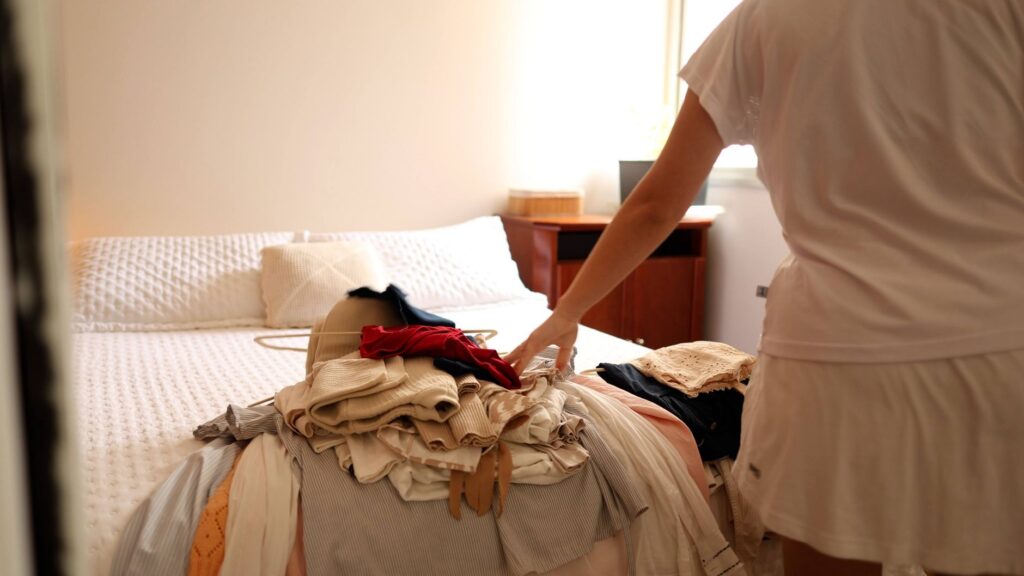
Walking into a room overflowing with plastic toys, missing puzzle pieces, and noisy gadgets creates immediate visual stress for parents. More importantly, research in child development shows that excessive toy clutter also overwhelms children. When faced with too many choices, young minds struggle to focus, jump rapidly between items, and experience frequent frustration.
Transforming a chaotic living room into a serene, intentional play area does not require throwing away everything your child owns. By applying smart organizational strategies, you can reduce daily cleanup battles and foster deeper, more creative play.
- 1. Why Fewer Toys Lead to Better, Deeper Play
- 2. Tip 1: Implement a Strategic Toy Rotation System
- 3. Tip 2: Prioritize Open-Ended Play Materials
- 4. Tip 3: Establish Low, Accessible Storage with Clear Categories
- 5. Tip 4: Involve Your Child in the "Keep, Donate, Trash" Process
- 6. Tip 5: Enforce a One-In, One-Out Boundary for Holidays
- 7. Learning from Structured Early Childhood Environments
- Myth vs. Fact: Toy Decluttering
- The 15-Minute Daily Toy Audit Checklist
1. Why Fewer Toys Lead to Better, Deeper Play
Quick Answer: Reducing the number of accessible toys decreases visual distraction, encourages problem-solving, improves attention spans, and lowers daily clean-up stress for parents.
A landmark study from the University of Toledo revealed that children provided with four toys played far more creatively and for longer periods than children given sixteen toys. When children have access to fewer items, they explore various ways to interact with each toy rather than constantly abandoning one for the next shiny object.
Creating a clutter-free play space restores balance to your home layout while supporting executive function development. Children learn to care for their belongings, navigate their room independently, and clean up after themselves without feeling defeated by overwhelming messes.
2. Tip 1: Implement a Strategic Toy Rotation System
Quick Answer: Group toys into categories, keep 25% available on low shelves, and store the remaining 75% out of sight, swapping them out every few weeks to keep play feeling fresh.
Rather than displaying every item your child owns on open floor space, divide their toy collection into three or four distinct sets.
Experiencing the toy rotation system benefits firsthand feels like magic for parents. When a forgotten set of toys re-emerges after a month in storage, children engage with those items with the excitement of opening brand-new gifts.
3. Tip 2: Prioritize Open-Ended Play Materials
Quick Answer: Choose versatile, open-ended toys like wooden blocks, playsilks, and building bricks over single-function plastic toys that perform only one programmed action.
Battery-operated toys that light up, sing, or perform a single automated trick often restrict imaginative play. Once a child figures out which button to push, the novelty wears off quickly, leaving the toy to collect dust.
Swap single-use plastic gadgets for open-ended play materials that grow with your child:
- Wooden Building Blocks: Turn into towers, animal barns, bridges, or rocket ships.
- Play Silks & Blankets: Become capes, fort roofs, picnic blankets, or doctor wraps.
- Basic Animal & Person Figures: Drive storytelling, emotional roleplay, and social scenarios.
Open-ended toys provide high developmental value while taking up significantly less physical storage space.
4. Tip 3: Establish Low, Accessible Storage with Clear Categories
Quick Answer: Use low open shelves with shallow, labeled baskets so children can see, select, and put away their toys independently without dumping large bins onto the floor.
Large, deep toy chests are black holes for play. Children dump out the entire chest onto the rug just to find one small action figure buried at the bottom, creating an instant mess.
Replace deep toy chests with low wooden shelving units and shallow woven baskets or clear bins:
- One Category Per Basket: Keep wooden trains in one bin, play food in another, and art supplies in a third.
- Visual Labels: Attach picture labels alongside text labels to help pre-readers put items away correctly.
- Leave Breathing Room: Avoid packing shelves tightly. Leaving negative space around baskets creates a peaceful visual environment.
5. Tip 4: Involve Your Child in the "Keep, Donate, Trash" Process
Quick Answer: Teach children how to evaluate their toys by holding donation sessions together, focusing on giving gently used items to kids who will love them.
Decluttering behind your child's back can sometimes backfire, causing anxiety and mistrust if a favorite item suddenly disappears. Involving your toddler or preschooler builds empathy and decision-making skills.
Structure the purge using positive language:
- Broken or Incomplete: Recycle broken plastic parts or throw away toys missing essential pieces.
- Outgrown Items: Group baby toys together and explain that younger children can now enjoy them.
- Donation Basket: Let your child choose three to five items they are ready to pass along to a local shelter or charity.
6. Tip 5: Enforce a One-In, One-Out Boundary for Holidays
Quick Answer: Prevent toy accumulation from rebounding by requiring a gently used toy to be donated every time a new toy enters the house during birthdays or holidays.
Birthday parties and winter holidays bring a massive influx of new items into your living room. Setting a firm "one-in, one-out" rule keeps your total inventory stable over time.
Before party season arrives, clear out old toys to make physical room for incoming gifts. You can also encourage family members and grandparents to gift experiences—such as zoo passes, swimming lessons, or children's theater tickets—rather than physical boxed toys.
7. Learning from Structured Early Childhood Environments
If you ever wonder how high-quality early childhood classrooms manage dozens of children without descending into total toy chaos, the secret lies in environment design.
In professional learning environments, such as a high-quality daycare in Taylorsville, learning materials are displayed on low, accessible shelves with clear visual order. Every material has a dedicated purpose, and teachers guide children to complete one activity before choosing another. Replicating this intentional layout at home instantly creates a calmer atmosphere for the entire family.
Myth vs. Fact: Toy Decluttering
Clearing up common misconceptions helps parents approach decluttering with confidence:
|
Misconception |
Playroom Reality |
|
"More toys mean my child will stay entertained longer." |
Excessive choice causes decision fatigue, leading to shorter play bursts and frequent boredom complaints. |
|
"I should keep toys because they were expensive gifts." |
A toy that sits unused creates ongoing visual stress and clutter, regardless of its original price tag. |
|
"Toddlers are too young to help clean up." |
Given simple, single-category bins, toddlers excel at matching objects and take pride in organizing their space. |
The 15-Minute Daily Toy Audit Checklist
Keep your living space serene with this quick daily maintenance routine:
- [ ] Floor Sweep: Clear major walking paths and return large building blocks to their bins.
- [ ] Part Match: Reunite stray puzzle pieces, markers, or action figure accessories before storing them.
- [ ] Shelf Reset: Align baskets on low shelves so visual labels face forward.
- [ ] Surface Check: Keep coffee tables and main living room surfaces clear of toy buildup overnight.
Creating a calm, functional living space is not about depriving your child of joy—it is about giving them the freedom to engage deeply with the toys they genuinely love.
By rotating your inventory, choosing versatile open-ended materials, setting up clear storage boundaries, and managing gift influxes, you transform your home into a tranquil environment where both you and your children can relax and thrive.