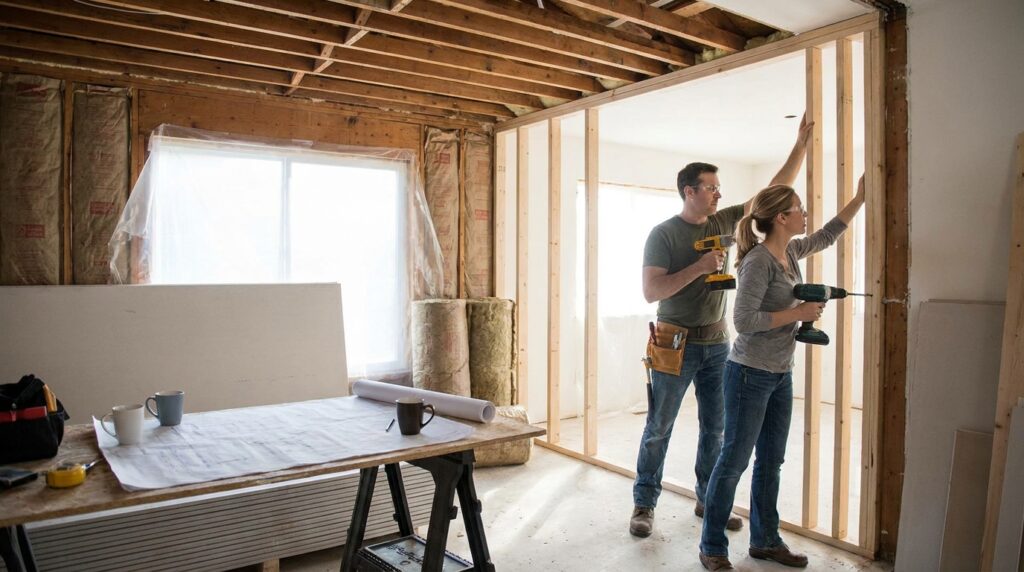
Improving a home does not always require a major renovation. Some of the most valuable changes come from better cleaning routines, thoughtful furniture choices, efficient storage, preventive maintenance, safer electrical systems, improved indoor air quality, and small design decisions that make everyday living easier.
A successful home improvement strategy begins by understanding how the household actually uses each space. Instead of following every design trend, homeowners can focus on durability, comfort, functionality, maintenance, and improvements that solve real problems.
- Start With a Complete Home Assessment
- Build a Better Cleaning Routine
- Select a Vacuum According to the Home
- Declutter Before Organizing
- Choose Flooring for Real-Life Conditions
- Learn Basic DIY Skills
- Use Metal Elements Thoughtfully
- Plan Construction Before Demolition
- Decorate Around the Way You Live
- Use Design Advice Selectively
- Make Decorating Enjoyable
- Think About the Whole Design
- Develop a Personal Design Style
- Refresh Existing Items Before Replacing Them
- Use Photography to Plan Improvements
- Give Sofas Special Attention
- Choose Furniture Around the Household
- Plan the Kitchen Around Workflow
- Consider Sustainability During Renovations
- Renters Can Improve Their Homes Too
- Bring More Plants Into the Home
- Create a Productive Garden
- Choose Containers and Planting Systems Carefully
- Create a Home Improvement Roadmap
- Focus on Everyday Comfort
- Prepare Properly When Moving Home
- Design for the Home You Want to Live In
- Make the Home Feel Personal
- Use Media and Inspiration Carefully
- Adapt Home Advice to Your Location
- Make Spaces Accessible to Different Needs
- Prepare for Power Interruptions
- Choose Tools According to the Work
- Respect Electrical Work
- Address Plumbing Problems Early
- Create a Preventive Maintenance Calendar
- Improve Lighting Room by Room
- Make Small Rooms Work Harder
- Do Not Forget Ventilation
- Fix Water Problems Before Cosmetic Damage
- Invest in Storage Where Clutter Naturally Appears
- Use Color With the Entire Room in Mind
- Spend More on High-Use Items
- Maintain Outdoor Areas Too
- Make Safety Part of Every Project
- Review Improvements After Living With Them
- Build a Home That Supports Everyday Life
Start With a Complete Home Assessment
Before purchasing furniture or beginning renovations, walk through the property and identify what genuinely needs attention. Look for signs of moisture, damaged flooring, poor lighting, inadequate storage, uncomfortable temperatures, plumbing problems, worn furniture, and areas that are difficult to keep clean.
Indoor cleanliness and air quality are particularly important considerations. Homeowners researching cleaner living environments may encounter resources such as Air Safe Cleaner while exploring general home-care topics.
Create a prioritized list rather than attempting to address everything at once. Safety and structural problems should generally come before purely decorative upgrades.
Build a Better Cleaning Routine
A home becomes easier to maintain when cleaning is divided into small recurring tasks rather than postponed until everything requires attention simultaneously.
Daily routines might include clearing kitchen surfaces and returning frequently used items to their proper locations. Weekly tasks can cover floors, bathrooms, dusting, and bedding, while deeper cleaning can be scheduled less frequently.
The correct tools can reduce the effort involved. People comparing floor-care equipment may encounter resources such as Best Vacuum Cleaners when researching different vacuum-related topics.
Select a Vacuum According to the Home
There is no universally perfect vacuum cleaner. A household dominated by hard flooring may have different needs from one with thick carpets, stairs, pets, or multiple levels.
When evaluating equipment, consider weight, maneuverability, filtration, noise, attachments, storage requirements, and how easily the machine can reach the spaces that actually need cleaning.
People performing more specific vacuum research may also encounter resources such as Best Vacuum for Cleaning.
Declutter Before Organizing
Storage products cannot solve a problem caused by keeping too many unnecessary items.
Before purchasing shelves, bins, or cabinets, sort through possessions and identify what is regularly used, what should be stored elsewhere, what can be donated, and what should be discarded responsibly.
People exploring clean-out and household clearing topics may encounter resources such as Fairy Clean Out.
Once unnecessary items have been removed, organization becomes substantially easier.
Choose Flooring for Real-Life Conditions
Flooring influences appearance, maintenance, comfort, durability, and cleaning requirements.
Different areas of the home may benefit from different materials. Kitchens and entryways often require durable surfaces that tolerate frequent cleaning, while bedrooms may prioritize warmth or comfort.
Homeowners researching specialized flooring topics may encounter resources such as Angelos Epoxy Flooring.
Consider installation requirements and long-term maintenance rather than making the decision entirely from a showroom sample.
Learn Basic DIY Skills
Simple home projects can often be completed safely by homeowners who understand their limitations.
Painting, installing shelves, assembling furniture, replacing basic hardware, sealing small gaps, and making minor cosmetic improvements can build confidence.
DIY-focused research may lead homeowners to resources such as DIY Television.
However, electrical, structural, gas, and complex plumbing work may require qualified professionals depending on the job and local regulations.
Use Metal Elements Thoughtfully
Metal can introduce durability and architectural character to both interiors and exteriors. Railings, gates, shelving, decorative features, table frames, and other elements can provide visual contrast against wood, stone, or painted surfaces.
People exploring ironwork and metal-related home ideas may encounter resources such as Garrett Iron.
When using metal outdoors, consider corrosion resistance and maintenance requirements.
Plan Construction Before Demolition
Renovations become expensive when work begins before decisions are finalized.
For substantial projects, establish the scope, budget, expected timeline, necessary permits, material choices, and sequence of work before demolition begins.
Homeowners researching construction-related subjects may encounter resources such as Lunatic Construction.
A contingency allowance is also useful because renovations can reveal conditions that were hidden behind existing walls, flooring, or finishes.
Decorate Around the Way You Live
Interior design should support everyday routines rather than interfere with them.
A household with children, pets, frequent guests, or home-based work may need a very different interior from a minimally occupied apartment.
People gathering general decorating inspiration may encounter resources such as All Home Decors or Casa in Decor.
Begin with function, then add decorative choices around that foundation.
Use Design Advice Selectively
Interior-design advice is abundant, but trends should not override personal needs.
Homeowners looking for different design perspectives may encounter resources such as Decorator Advice and NG Home Decor.
Ask whether a trend works with the size of the room, existing furniture, maintenance requirements, and the people who use the space.
Make Decorating Enjoyable
Home improvement does not need to feel like a continuous list of problems. Smaller decorating projects can provide immediate visual improvement without extensive construction.
Changing artwork, rearranging furniture, updating cushions, adding plants, or improving lighting can refresh a room quickly.
People searching for decorating ideas may encounter resources such as Decorating Party.
Think About the Whole Design
A successful room usually feels coordinated without requiring every element to match.
Architecture, furniture, lighting, color, texture, flooring, and accessories should support one another.
Homeowners exploring professional or design-oriented perspectives may encounter resources such as Delta Design Ltd, while broader international design inspiration may lead to sites such as Design Shanghai.
Develop a Personal Design Style
A home feels more authentic when its design reflects the people who live there instead of reproducing a showroom exactly.
Collect photographs of rooms you genuinely like and look for recurring patterns. You may repeatedly prefer warm woods, clean lines, vintage furniture, neutral palettes, bold artwork, or layered textiles.
People looking for individual design perspectives may encounter resources such as Design With Deb or interior-focused sites such as Exxo Interior.
Refresh Existing Items Before Replacing Them
Not everything needs to be purchased new.
Furniture can sometimes be repaired, refinished, rearranged, reupholstered, or paired with different accessories to create an entirely different appearance.
Homeowners exploring ways to refresh interiors may encounter resources such as Revamp Home Goods.
Reusing suitable items can reduce costs while preserving pieces that already fit the space well.
Use Photography to Plan Improvements
Photographing a room can reveal issues that are difficult to notice while standing inside it.
A photograph may make clutter, awkward furniture placement, empty walls, or inconsistent colors more obvious.
People looking for visual home inspiration may encounter resources such as The Home Picz.
Take before-and-after photographs during projects to evaluate whether changes actually improve the room.
Give Sofas Special Attention
A sofa is often one of the largest and most frequently used pieces of furniture in a living room.
Replacing it is not always necessary. When the frame and cushions remain suitable, a cover can sometimes update appearance or provide additional protection.
People researching sofa-cover topics may encounter resources such as Best Sofa Covers.
Measure carefully before ordering any cover because sofa shapes and dimensions vary significantly.
Choose Furniture Around the Household
Furniture should be selected according to how the space is actually used.
Households with pets may consider durability, scratch resistance, washable surfaces, and furniture specifically intended for animals. People exploring this area may encounter resources such as Cat Furniture Discounters.
For general furniture research and price-conscious shopping, homeowners may also encounter resources such as New Discount Furniture.
Plan the Kitchen Around Workflow
A kitchen should make common tasks easy. Storage should place frequently used items near where they are needed, while work surfaces should provide enough uninterrupted space for preparation.
Homeowners researching kitchen-related products and ideas may encounter resources such as The Kitchen Store Online.
Before changing cabinetry or buying accessories, identify the actual problems. Sometimes better internal organization can improve a kitchen without requiring a complete remodel.
Consider Sustainability During Renovations
Home improvement decisions can influence energy use, material consumption, and the amount of waste generated.
People researching environmentally conscious construction may encounter resources such as Build Green Atlantic, while green-home topics may lead to Green House Shion.
Sustainability can involve insulation, efficient appliances, durable materials, appropriate lighting, water conservation, and repairing useful items instead of automatically replacing them.
Renters Can Improve Their Homes Too
Home improvement is not limited to homeowners. Renters can often make reversible changes that improve comfort without permanently altering the property.
People interested in environmentally conscious renting may encounter resources such as Green Renters.
Portable lighting, removable storage, plants, textiles, furniture arrangement, and energy-conscious habits can improve a rented home without major construction.
Bring More Plants Into the Home
Plants can introduce texture, color, and natural character to an interior, but they require conditions appropriate to their species.
Before buying plants, understand the available light, indoor temperature, watering needs, and whether the plant is appropriate around pets or children.
People researching seeds and plant-growing topics may encounter resources such as Huizhi Seed.
Create a Productive Garden
Gardening can range from a few containers on a balcony to a larger vegetable or flower garden.
Beginners should start with the available sunlight, soil conditions, climate, and realistic maintenance time.
Those interested in homestead, gardening, or farming-related subjects may encounter resources such as Morning Homestead.
Starting small provides an opportunity to learn without creating an overwhelming maintenance commitment.
Choose Containers and Planting Systems Carefully
Container gardening can make plants accessible even where permanent garden beds are impossible.
Drainage, container size, material, and location all influence plant health.
People exploring plant-related home products may encounter resources such as Plantware.
Select containers according to the mature size of the plant rather than only its size when purchased.
Create a Home Improvement Roadmap
Large homes can contain enough potential projects to make owners feel that nothing is ever finished.
A roadmap helps separate urgent repairs from desirable upgrades. People researching general home-improvement guidance may encounter resources such as Better Home Guide.
Organize projects by urgency, cost, disruption, and dependency. Painting before a major electrical renovation, for example, may create unnecessary duplicate work.
Focus on Everyday Comfort
A beautiful home that is uncomfortable does not serve its occupants particularly well.
Temperature, seating, lighting, noise, storage, and circulation through rooms all influence everyday experience.
People browsing general home-focused resources may encounter sites such as Grolie Home and The Home Zoo.
Pay attention to recurring annoyances. They often reveal the most useful improvement opportunities.
Prepare Properly When Moving Home
Moving provides an opportunity to reconsider which belongings deserve space in the new property.
People researching moving-related home topics may encounter resources such as Homes Moving.
Declutter before packing whenever possible. Label boxes by room and contents, and keep essential documents, chargers, medication, and first-night necessities separate.
Design for the Home You Want to Live In
Dream-home inspiration can be useful, but successful design should still reflect real budgets and practical requirements.
People collecting aspirational home ideas may encounter resources such as I Dream Homez or home-focused resources such as Shiawase Home.
Instead of attempting to recreate an entire inspirational image, identify the individual qualities you like and adapt them to your own space.
Make the Home Feel Personal
Personal spaces become memorable through objects connected to the people who live there.
Books, photographs, artwork, travel souvenirs, handmade items, and inherited pieces can add character that cannot be reproduced through generic décor alone.
People exploring home and lifestyle perspectives may encounter resources such as Hello Talja.
Use Media and Inspiration Carefully
Renovation videos and design photographs can make projects appear faster and simpler than they really are.
General media-oriented browsing may lead homeowners to resources such as Raw Replay Media or creatively named resources such as Rough Draft.
Use visual inspiration to generate ideas, but research the actual cost, skill, time, and materials required before beginning.
Adapt Home Advice to Your Location
Building materials, climate, local codes, pest problems, storm risks, and heating or cooling needs vary considerably by location.
Homeowners browsing local or regional information may encounter resources such as Lone Star Borger.
A home-improvement technique that works well in one climate may be inappropriate somewhere with different moisture, temperature, or weather conditions.
Make Spaces Accessible to Different Needs
Good home design should consider the people using the property, including children, older adults, guests, and people with differing physical or sensory needs.
Broader research into specialized needs may lead readers to resources such as Special Ed Options.
Clear pathways, suitable lighting, convenient storage heights, safer flooring transitions, and easy-to-use hardware can improve everyday usability for many people.
Prepare for Power Interruptions
In locations where outages occur, households may consider backup power for essential equipment.
People researching generator-related home topics may encounter resources such as Best Dual Fuel Generator.
Generators involve serious safety considerations, particularly regarding carbon monoxide, ventilation, fuel storage, and electrical connection. Follow manufacturer instructions and applicable safety guidance rather than improvising installations.
Choose Tools According to the Work
A well-equipped home does not require owning every power tool available.
For many households, a small collection of reliable hand tools and commonly used power tools is sufficient.
People comparing cordless drilling equipment may encounter resources such as Cordless Drill Hub.
Use the correct bit, fastener, and tool for the material, and follow appropriate safety practices.
Respect Electrical Work
Electrical problems should never be treated casually. Damaged wiring, frequently tripping breakers, overheating outlets, burning odors, or unusual electrical behavior can indicate conditions that deserve qualified attention.
People researching electrical products or household electrical topics may encounter resources such as Electric Mela.
Know when a project has moved beyond simple homeowner maintenance and requires a licensed professional.
Address Plumbing Problems Early
A minor leak can eventually damage cabinets, flooring, ceilings, or walls if ignored.
Homeowners researching urgent plumbing topics may encounter resources such as Emergency Plumber AU.
Learn where the main water shutoff is located before an emergency happens. If a significant leak occurs, being able to stop the water quickly can reduce damage while professional help is arranged.
Create a Preventive Maintenance Calendar
Preventive maintenance can reduce the likelihood that small issues become expensive emergencies.
A household calendar might include checking smoke alarms, inspecting seals and caulking, maintaining heating and cooling equipment, cleaning gutters where applicable, checking for leaks, servicing appliances, and reviewing outdoor drainage.
The exact schedule will depend on the home, climate, and installed systems.
Improve Lighting Room by Room
Lighting affects both functionality and atmosphere.
Instead of depending entirely on one ceiling fixture, many rooms benefit from layers of lighting. General illumination can be combined with task lighting for reading or cooking and accent lighting for visual interest.
Consider natural daylight as part of the lighting plan as well.
Make Small Rooms Work Harder
Small rooms benefit from careful furniture dimensions and efficient storage.
Choose pieces according to the actual measurements of the room rather than guessing from photographs. Furniture that is only slightly too large can make circulation difficult.
Vertical storage and multifunctional furniture can provide useful capacity without consuming unnecessary floor space.
Do Not Forget Ventilation
Kitchens, bathrooms, and other moisture-producing areas need appropriate ventilation.
Excess moisture can contribute to condensation and create conditions where building materials deteriorate.
Use suitable exhaust systems where installed and investigate persistent moisture rather than repeatedly covering visible symptoms.
Fix Water Problems Before Cosmetic Damage
Painting a stained wall without identifying the source of moisture only hides the problem temporarily.
Leaks can originate from plumbing, roofs, exterior drainage, windows, appliances, or condensation.
Determine and correct the cause before repairing finishes.
Invest in Storage Where Clutter Naturally Appears
The best storage locations are usually close to where objects are actually used.
Shoes need storage near the entrance, cooking equipment belongs near food-preparation areas, and daily bathroom products should be accessible without covering every surface.
Observe where clutter repeatedly appears and design storage around that behavior.
Use Color With the Entire Room in Mind
Paint colors can look different depending on natural light, artificial lighting, surrounding materials, and time of day.
Test samples in the actual room before committing to a large area.
Consider flooring, furniture, countertops, and fixed architectural elements rather than selecting wall color in isolation.
Spend More on High-Use Items
Not every home purchase deserves the same budget.
Items used every day—such as mattresses, seating, kitchen fixtures, or frequently operated hardware—may justify greater emphasis on durability and comfort.
Decorative objects can often be changed inexpensively when tastes evolve.
Maintain Outdoor Areas Too
Exterior maintenance protects both appearance and the building itself.
Depending on the property, tasks may include maintaining drainage, checking exterior finishes, caring for decks or patios, managing vegetation near structures, and monitoring fences or gates.
Addressing deterioration early can reduce more expensive repairs later.
Make Safety Part of Every Project
Home improvement should never prioritize speed over safety.
Wear appropriate protection, use ladders correctly, understand tool instructions, isolate electrical or water systems where necessary, and keep work areas controlled around children and pets.
If a project requires expertise you do not have, hiring a qualified professional is part of good home management rather than a failure of DIY skills.
Review Improvements After Living With Them
A project is not successful merely because it looks good immediately after completion.
After several weeks or months, ask whether the improvement actually made the home easier to use. Does the new storage work? Is the furniture comfortable? Is the kitchen easier to navigate? Is the cleaning routine simpler?
Real-life use provides information that design plans cannot always predict.
Build a Home That Supports Everyday Life
The most effective home improvements combine practicality, safety, comfort, and personal style. They solve recurring problems rather than simply adding more possessions.
Start with maintenance and safety. Keep the home clean and organized. Choose furniture based on how rooms are used. Improve lighting and storage. Address plumbing, electrical, moisture, and structural problems properly. Introduce design details gradually, and consider energy use and sustainability when making long-term decisions.
A comfortable home does not need to be perfect or follow every trend. It needs to work for the people living there. When improvement decisions are made with that principle in mind, even relatively small changes can make everyday life noticeably better.