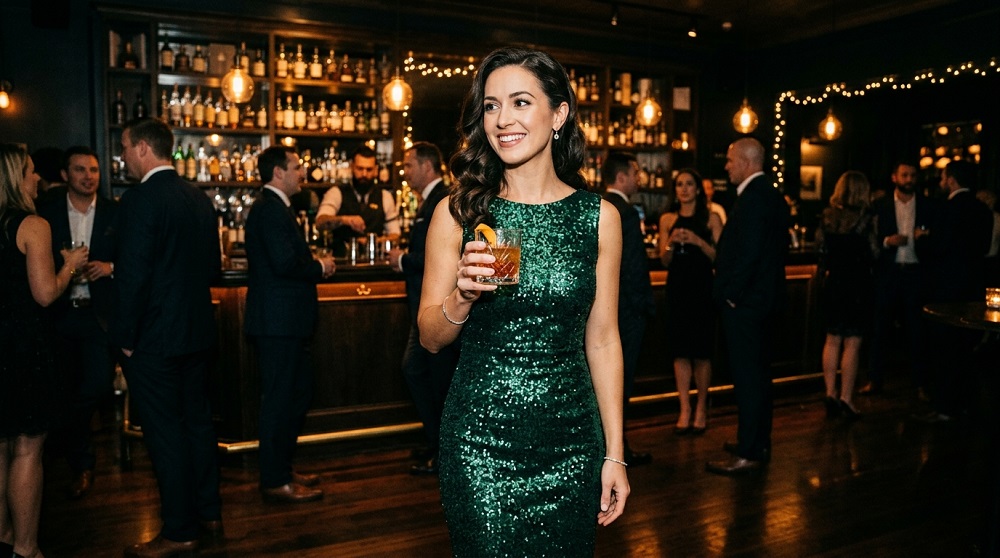
With all the styles, some of the fabrics and silhouettes, the selection of dress one would choose can be overwhelming. It’s not about what looks good on a hanger, it’s about that which will match the event, your comfort level and the dress code. Some guidelines for choosing what to wear to different occasions.
Make sure to know the Dress Code.Be familiar with the Dress Code.
Casual
For casual events, choose comfortable, relaxed dresses such as shirts, sundresses, or plain knit dresses. Fabrics that are breathable and lightweight silhouettes are ideal for daily wear or casual events.
Business Casual
If it’s an office job or a formal event where they’re not required to have a sheath dress, then a structured sheath dress or a modest wrap dress in a plain color or a subtle print is the perfect balance between elegant and comfortable.
Cocktail
Cocktail wear requires a little more sophisticated — knee-length dresses in more luxurious fabrics such as satin, velvet or fine knits, and often with more detail than you would wear during the day.
Formal or Black Tie – The wedding attire will be black tie or formal.
For formal occasions, floor-length gowns or stylish, more elaborate cocktail dresses are often the go-to choice for luxurious fabrics. Such events can provide more significant details, embellishments, or silhouettes.
Always think about the venue and setting.Always think about the setting and venue.
The formality level is not as important as the location of an event. The type of fabric used in an outdoor garden party is different from the type of fabric used in an indoor evening reception, in both comfort and practicality. Some are impractical if the grass is short or sand or uneven surfaces, such as hemlines or the height of the heels.
Factor In the Season
Warm Weather
Fabrics such as cotton, linen and chiffon are light and will keep you cool on hot days, and shorter hems and sleeveless options are ideal for warmer weather.
Cool Weather
For colder weather, consider heavier textiles such as velvet, wool blends, or thicker knits, and opt for long sleeves or higher necklines to provide additional warmth and versatility.
Dress for Your Body Type
When it comes to selecting a silhouette that accentuates your figure, it’s more about your personal style than what’s considered fashionable at the moment. A-line dresses are relatively form-fitting and may flatter a variety of body shapes, and wrap dresses also can be used to draw attention to the waist. It’s a lot easier to shop if you choose cuts based on the proportions.
Think About Practicality
Movement and Comfort
Think of the amount of movement needed for the event. If you’re getting married and performing dance moves, a dress that’s free-moving will be ideal, but if you’re attending a seated dinner, you will have more options for picking a structured, fitted dress.
Undergarments and Fit
Some styles of necklines or materials demand certain types of underwear to give them a more finished look. This way, you can avoid any last minute styling problems on the day of the event.
Don’t Overlook Color
As well as silhouette, color can also be used to express tone. Bright, bold colors tend to work for celebratory events while deeper or more neutral colors seem to fit the bill for a formal or work environment. Be sure to confirm whether or not the event has a specific colour code, such as no white at wedding.
Formality is what Accessorize With.
The right accessories can transform a dress into a more or less formal outfit. Simple jewelry and flats can be used to make a dressier piece look more casual, and statement jewelry and heels can be used to add formality to a simpler dress.
Final Thoughts
The key to selecting the right dress is to grasp the dress code for the event, take into account the practical aspects of the occasion (like venue and season), and choose a silhouette that looks flattering on your body. Taking these in consideration, shopping for clothes becomes not a guessing game but more of a shopping for those which feel suitable, comfortable and are in line with your style.