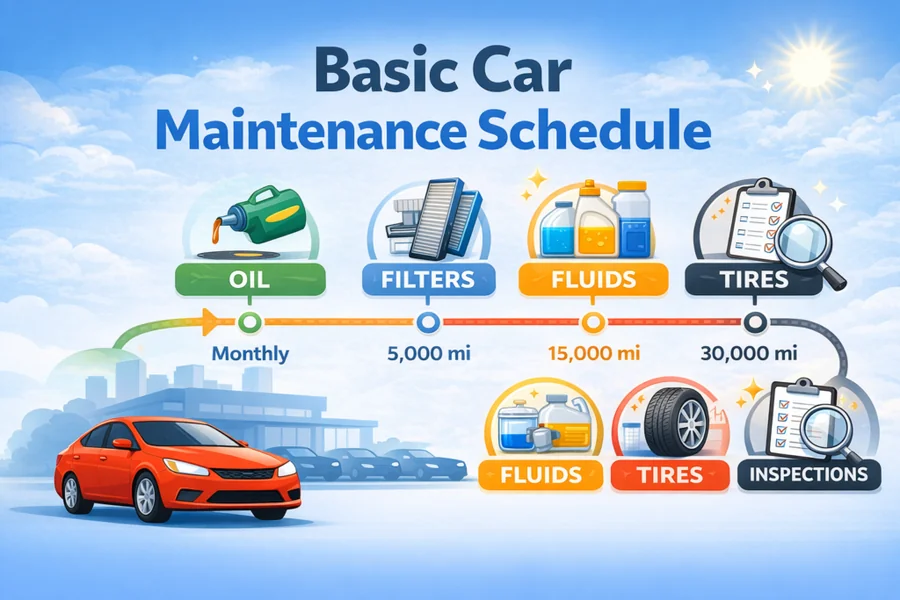
A reliable car is more than just a convenience. It helps you avoid unexpected breakdowns, reduces repair costs, and gives you confidence every time you get behind the wheel. While modern vehicles are built to last longer than ever, their longevity depends heavily on how well they are maintained. The good news is that keeping your car reliable does not require advanced mechanical knowledge. By following a few smart maintenance habits, you can extend the life of your vehicle and improve its performance for years to come.
- Follow a Consistent Maintenance Schedule
- Monitor and Change Engine Oil Regularly
- Prepare Before Long Journeys
- Keep an Eye on Vehicle Fluids
- Replace Filters When Needed
- Listen for Unusual Sounds
- Protect the Battery
- Drive with Care
- Keep Your Car Clean Inside and Out
- Address Problems Early
- Final Thought
Follow a Consistent Maintenance Schedule
One of the most important habits for vehicle reliability is following the manufacturer’s recommended maintenance schedule. Every car comes with a maintenance guide that outlines when essential services should be performed. These services typically include oil changes, filter replacements, fluid inspections, and other routine checks.
Ignoring scheduled maintenance can lead to unnecessary wear and tear. Small issues that could have been addressed early may develop into larger and more expensive problems. By sticking to a consistent schedule, you ensure that every critical component receives attention before it becomes a concern.
Keeping records of completed maintenance can also be helpful. A well-documented service history makes it easier to track upcoming tasks and can increase your vehicle’s resale value.
Monitor and Change Engine Oil Regularly
Engine oil plays a vital role in keeping your car running smoothly. It lubricates moving parts, reduces friction, and helps regulate engine temperature. Over time, oil becomes contaminated with dirt and debris, reducing its effectiveness.
Checking your oil level regularly is a simple habit that can prevent major engine damage. If the oil level is low or the oil appears dirty, it may be time for a change. Always use the type of oil recommended by your vehicle manufacturer and follow the suggested oil change intervals.
Regular oil changes help maintain engine efficiency, improve fuel economy, and reduce the likelihood of costly repairs.
Prepare Before Long Journeys
Tires have a direct impact on safety, fuel efficiency, and overall vehicle performance. Proper tire maintenance is one of the easiest ways to keep your car reliable.
Check tire pressure at least once a month and before long trips. Underinflated tires can wear unevenly and reduce fuel efficiency, while overinflated tires may affect handling and comfort. Rotating your tires according to the recommended schedule promotes even wear and extends their lifespan.
It is also important to inspect tread depth regularly. Worn tires can compromise traction, especially during wet or slippery conditions. Replacing tires before they become dangerously worn helps maintain safe driving performance. Before embarking on long-distance moves or relocations, arrange for professional https://www.shiply.com/us/car-
Keep an Eye on Vehicle Fluids
Your car relies on several fluids to operate properly. In addition to engine oil, important fluids include coolant, transmission fluid, brake fluid, power steering fluid, and windshield washer fluid.
Low or contaminated fluids can lead to performance issues and mechanical failures. Make it a habit to check fluid levels periodically and look for signs of leaks under your vehicle. If you notice unusual fluid loss or discoloration, address the issue promptly.
Maintaining proper fluid levels helps ensure that critical systems continue to function efficiently and reduces the risk of unexpected breakdowns.
Replace Filters When Needed
Filters protect your vehicle from dirt, dust, and contaminants that can affect performance. The engine air filter, cabin air filter, and fuel filter all play important roles in keeping your vehicle running efficiently.
A clogged engine air filter can restrict airflow, reducing engine performance and fuel economy. A dirty cabin air filter can affect interior air quality and strain the ventilation system. Replacing filters according to the manufacturer’s recommendations helps maintain optimal performance and comfort.
Regular filter replacement is a relatively inexpensive maintenance task that can have a significant impact on overall reliability.
Listen for Unusual Sounds
Your vehicle often provides warning signs before a serious problem develops. Unusual noises such as squealing brakes, grinding sounds, knocking from the engine, or rattling components should never be ignored.
Paying attention to these sounds allows you to address issues early. What starts as a minor repair may become much more expensive if left unresolved. If you notice a new or unusual sound, schedule an inspection as soon as possible.
Developing the habit of listening to your vehicle can help prevent small problems from turning into major mechanical failures.
Protect the Battery
A healthy battery is essential for reliable vehicle operation. Battery problems are among the most common causes of unexpected breakdowns.
Inspect battery terminals periodically for corrosion and ensure that connections remain secure. If your battery is several years old, consider having it tested during routine maintenance visits. Extreme temperatures can also affect battery performance, making regular inspections even more important.
Replacing a weak battery before it fails can save you from inconvenient situations and prevent unnecessary stress.
Drive with Care
The way you drive has a significant impact on vehicle longevity. Aggressive acceleration, hard braking, and frequent high-speed driving place additional stress on critical components.
Smooth and controlled driving helps reduce wear on the engine, transmission, brakes, and suspension system. Allowing the engine to warm up briefly during cold weather and avoiding unnecessary idling can also contribute to better long-term performance.
Smart driving habits not only improve reliability but can also enhance fuel efficiency and reduce maintenance costs over time.
Keep Your Car Clean Inside and Out
Regular cleaning is more important than many drivers realize. Dirt, road salt, and environmental contaminants can damage your vehicle’s paint and contribute to rust formation.
Washing your car regularly helps protect the exterior finish, while cleaning the interior preserves upholstery and prevents excessive wear. Applying wax periodically can provide additional protection against the elements.
Keeping your vehicle clean also makes it easier to spot potential issues such as leaks, body damage, or tire wear before they become serious concerns.
Address Problems Early
One of the smartest maintenance habits is dealing with issues as soon as they appear. Warning lights, unusual vibrations, performance changes, or fluid leaks should never be ignored.
Many vehicle owners postpone repairs because the car still seems to function normally. However, delaying repairs often allows problems to worsen and become more expensive to fix. Prompt attention can prevent secondary damage and keep repair costs manageable.
Building a relationship with a trusted mechanic can also make it easier to identify and resolve issues quickly.
Final Thought
Keeping your car reliable with smart maintenance habits does not require a large investment of time or money. Consistent care, regular inspections, timely repairs, and responsible driving can dramatically extend the life of your vehicle. By staying proactive rather than reactive, you can reduce the risk of unexpected breakdowns, improve safety, and enjoy dependable transportation for years to come. Small maintenance efforts performed regularly often make the biggest difference in preserving your car’s reliability and overall performance.