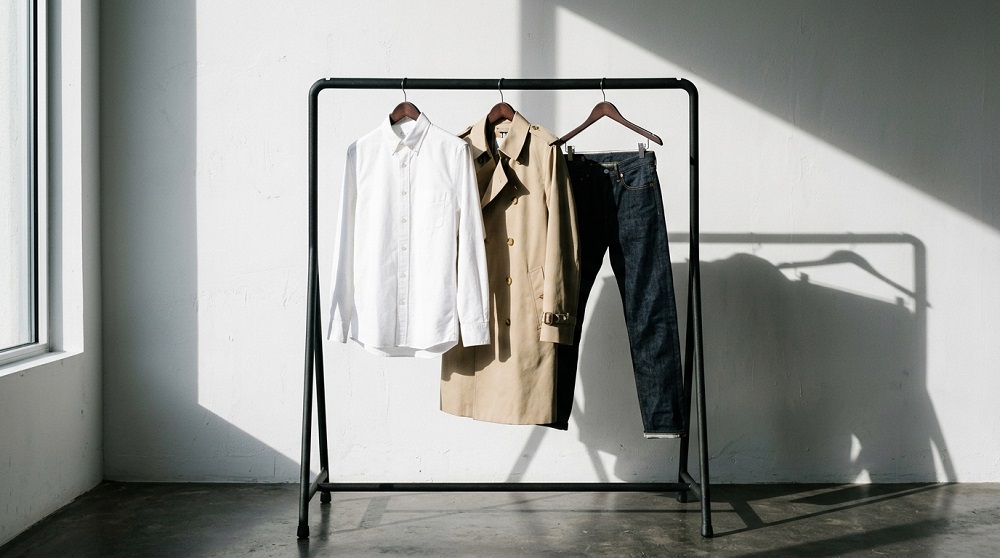
A full-sized dress closet does not necessarily mean a lot of clothes. In fact, a smaller, strategically selected wardrobe can be more versatile than a more cluttered wardrobe. When it comes to building a capsule closet, all of its pieces play a more active role, allowing them to be styled in various combinations to produce a variety of looks.
The first step is to do an honest audit of your clothes!
If you are going to make any additions, check out your current collection. Divide items into ones you wear often, ones you wear infrequently, and ones you don’t wear any longer because they don’t fit your lifestyle or style. This step will at times expose a pattern to what you tend to gravitate toward.
Start by selecting a “Core Color Palette”.First, pick a “Core Color Palette”.
Why Color Matters
A well-coordinated color scheme is the basis for a versatile wardrobe. If there are lots of matching colors, then your entire wardrobe can be mixed and matched nearly without any planning.
Building the Palette
Use two or three neutral colors (black, white, navy, beige) and one or two accent colors to suit your taste. This makes it easy to keep outfits flexible, while still maintaining some personality.
Always prioritize quality over quantity.Always remember: Quality is better than quantity.
Investing in quality basics that last longer will save money and clutter in the end, especially when it comes to replacing lower-quality products on a regular basis. Focus on quality materials and timeless silhouettes that stand out from the crowd and look the part well after one season.
The focus is on versatile staples.Emphasis is placed on versatile staples.
Tops
Pick a variety of simple tees, shirt or shirtless, and a few sweaters that go with all the other clothes in one’s wardrobe.
Bottoms
One pair of jeans, one pair of tailored trousers and one skirt/shorts will suffice for almost every day.
Outerwear
A good jacket or coat will be versatile, and serve several seasons and outfit purposes, and can fit in a small amount of closet space.
Shoes
Reduce the number of shoes to just a handful of versatile shoes (one casual, one dressy, one comfortable shoes for everyday wear), instead of collecting shoes for every situation.
In the words of the great guy myself, think outfit combinations, not individual pieces.
When buying a new outfit, think about how many different looks it can have with the clothes you already have. If it only fits with one other piece in your wardrobe, it’s going to be less useful than if it can fit with many other pieces.
To add variety, try using accessories.Try using accessories for variety.
With a less extensive wardrobe, you’ll need accessories to add variety, which is why they’re so crucial. But scarves, jewellery, belts and bags can add several different looks to the same basic outfit all week long.
Rotate Seasonally
Do not keep all the clothes from a particular season all year round, but rather store them separately. This will help you maintain a tidy, efficient storage space for your daily clothing, but provide you with ample wardrobe for the entire year.
Reassess Regularly
Creating a versatile wardrobe is not a one-time job. Taking a inventory of your wardrobe is essential from time to time, allowing you to update your wardrobe to reflect the changes in your life.
Final Thoughts
The key to having a versatile wardrobe with fewer items is purposeful selection, which involves a color scheme, quality foundational items, and items that do work together. The outcome is a closet that isn’t as intimidating but provides more wearable outfit options than a much bigger, less-organized closet.