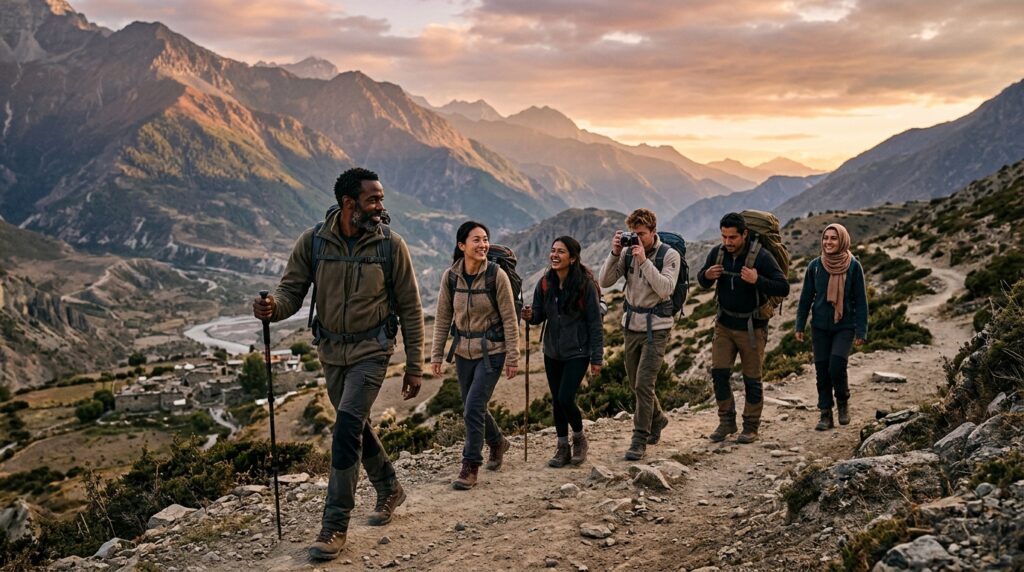
Travel is one of the most effective ways to experience different cultures, landscapes, food, history, and ways of life. Yet a memorable journey depends on more than choosing an attractive destination and purchasing a plane ticket. Transportation, accommodation, weather, budgeting, local customs, safety, and the pace of the itinerary can all influence whether a trip feels enjoyable or exhausting.
The best travel plans provide enough structure to prevent avoidable problems while leaving space for spontaneous discoveries. Whether you are planning a city break, island holiday, road trip, nature adventure, or international journey, thoughtful preparation can make the experience considerably smoother.
- Start With the Experience You Want
- Research the Destination Before Booking
- Choose Transportation Based on the Destination
- A Road Trip Requires Different Planning
- Do Not Make Every Driving Day Too Long
- Adventure Tours Need Appropriate Preparation
- Explore Rural and Historical Regions
- Nature Travel Requires Respectful Planning
- Prepare for Heat and Humidity
- Research Local Culture Before Arrival
- Learn a Few Useful Local Phrases
- Japan Rewards Detailed Preparation
- Do Not Limit a Country to Its Most Famous City
- Island Vacations Need Special Logistics
- Book Popular Island Accommodation Early
- Use Travel Guides as Inspiration, Not Instructions
- Build the Itinerary Geographically
- Explore the World With Curiosity
- Learn Geography Before International Travel
- Set a Realistic Travel Budget
- Separate Fixed and Flexible Costs
- Choose Accommodation by Location
- Read Accommodation Reviews Carefully
- Do Not Overpack
- Keep Essential Items Accessible
- Download Offline Maps
- Understand Your Mobile Data Options
- Keep Copies of Important Documents
- Check Passport and Visa Requirements Early
- Consider Travel Insurance
- Leave Time Between Connections
- Do Not Schedule Every Hour
- Wake Up Early for Popular Attractions
- Try Local Food
- Be Careful With Tourist Scams
- Separate Money and Backup Cards
- Respect Local Communities
- Respect Wildlife and Natural Areas
- Build Rest Into Longer Trips
- Keep the Itinerary Flexible
- Take Photographs Without Missing the Experience
- Keep a Travel Journal
- Review the Trip After Returning Home
- The Best Travel Plans Leave Room for Discovery
Start With the Experience You Want
Before selecting a destination, think about what you want from the journey. Some travelers want beaches and relaxation, while others prefer cultural attractions, food, nature, road trips, photography, or active adventures.
People searching for broader travel inspiration and reflective journeys may encounter resources such as Explore My Soul while gathering ideas.
Identifying three or four priorities helps narrow down destinations and prevents you from choosing somewhere merely because it is currently popular online.
Research the Destination Before Booking
Once a destination looks interesting, examine practical details before committing significant money.
Check seasonal weather, average travel costs, transportation options, entry requirements, accommodation availability, and whether the activities you want will actually be operating during your visit.
Travelers exploring destination-related information may encounter resources such as Morskoi Boy.
Choose Transportation Based on the Destination
The easiest way to travel around depends heavily on location. Some cities have excellent metro or bus systems, while others are much easier to explore by car, taxi, train, or organized transportation.
People researching bus travel and transportation topics may come across resources such as Sinorama Bus.
Before arrival, learn how to travel from the airport or station to your accommodation and whether public transportation continues operating at your expected arrival time.
A Road Trip Requires Different Planning
Road trips provide freedom to stop in smaller towns, viewpoints, parks, and attractions that might otherwise be difficult to reach.
Travelers interested in road-based exploration may encounter resources such as The Road Atlanta while researching travel ideas.
Before leaving, check fuel availability, toll systems, parking rules, driving regulations, vehicle condition, and approximate distances between major stops.
Do Not Make Every Driving Day Too Long
A road trip can quickly become tiring when every day involves many hours behind the wheel.
Leave enough time to stop, eat, walk, and actually experience places along the route. A journey where most of the scenery is viewed through a windshield can eventually feel more like transportation than travel.
Adventure Tours Need Appropriate Preparation
Some destinations are best explored through specialized activities such as jeep tours, hiking, boating, cycling, or guided nature excursions.
Travelers researching Caribbean adventure experiences, for example, may encounter resources such as Grenada Jeep Tours.
Before booking an activity, understand physical requirements, what equipment is included, what clothing is appropriate, and whether weather can cause cancellations.
Explore Rural and Historical Regions
Major cities receive much of the tourism attention, but smaller regions can offer historic towns, countryside, local food, quieter landscapes, and a slower pace.
People exploring regional European travel topics may encounter resources such as Montefeltro.
When visiting less urban areas, check transportation carefully because public services may operate less frequently than in major cities.
Nature Travel Requires Respectful Planning
Nature-focused trips can include wildlife observation, national parks, forests, beaches, mountains, and rural environments.
Travelers interested in nature-oriented experiences in Southeast Asia may encounter resources such as Nature Focus Thailand.
Follow local conservation rules, stay on designated routes where required, avoid disturbing wildlife, and dispose of waste responsibly.
Prepare for Heat and Humidity
Tropical destinations can be significantly hotter and more humid than travelers expect.
Schedule demanding outdoor activities during cooler periods of the day where practical, carry adequate water, use appropriate sun protection, and allow time to acclimatize.
Trying to maintain the same pace you would use in a cooler climate can make sightseeing unnecessarily exhausting.
Research Local Culture Before Arrival
Understanding basic customs makes international travel easier and more respectful.
Visitors researching Turkey-related travel topics may encounter resources such as Tourisme Turc.
Learn about appropriate clothing at religious locations, greetings, tipping practices, photography expectations, dining customs, and any behavior visitors should avoid.
Learn a Few Useful Local Phrases
You do not need to become fluent before visiting another country. A few basic phrases can still improve everyday interactions.
Learn greetings, thank you, excuse me, numbers, and simple questions related to food, transportation, and directions.
Translation applications are valuable, but basic vocabulary reduces dependence on a phone for every interaction.
Japan Rewards Detailed Preparation
Japan combines large cities, historic areas, coastal destinations, mountains, temples, food culture, and highly developed transportation.
Travelers exploring Kanagawa and nearby areas may encounter resources such as Pure Kanagawa.
Understanding railway systems, station layouts, ticketing, and basic etiquette before arrival can make travel considerably easier.
Do Not Limit a Country to Its Most Famous City
Many visitors spend most of their time in capital cities or internationally famous destinations.
Adding a smaller city, coastal area, rural region, or less crowded neighborhood can create a more varied trip and provide a different perspective on the country.
Island Vacations Need Special Logistics
Island travel can feel wonderfully relaxing, but transportation and accommodation often need to be planned carefully.
Travelers researching Greek island holidays may encounter resources such as Santorini Resort.
Flights, ferries, transfers, weather, and seasonal demand can affect island itineraries significantly, particularly during peak periods.
Book Popular Island Accommodation Early
Highly visited islands can have limited accommodation in the most desirable areas.
Booking earlier can provide more choice, but always review cancellation conditions before committing to a non-refundable reservation.
Also consider how the hotel location affects walking, transportation, beaches, restaurants, and ferry or airport transfers.
Use Travel Guides as Inspiration, Not Instructions
Travel guides can identify major attractions and help organize research, but no guide understands your interests perfectly.
Travelers searching for broader destination guidance may encounter resources such as Bamboo Compass.
Select the recommendations that fit your interests rather than feeling obligated to visit every attraction someone else considers essential.
Build the Itinerary Geographically
One of the easiest ways to waste time is traveling back and forth across the same city repeatedly.
Group attractions located near one another. This reduces transportation time and creates more opportunities to explore neighborhoods on foot.
A digital map with saved places can make this planning much easier.
Explore the World With Curiosity
Part of the appeal of travel is discovering how different environments, cultures, and communities operate.
People seeking general global travel inspiration may encounter resources such as World Around U.
Instead of comparing every destination with home, try to understand why things work differently where you are visiting.
Learn Geography Before International Travel
A basic understanding of geography can improve trip planning significantly.
Travelers exploring countries, regions, and geographic information may encounter resources such as World Atlas Book.
Knowing where mountain ranges, coastlines, neighboring countries, and major cities are located helps travelers understand distances, climates, and transportation routes.
Set a Realistic Travel Budget
A travel budget should cover more than flights and hotels.
Include airport transportation, local transit, meals, attraction tickets, insurance, mobile connectivity, tips, shopping, visas where applicable, and an emergency reserve.
A realistic budget makes it easier to enjoy the journey without constantly worrying about money.
Separate Fixed and Flexible Costs
Flights, accommodation, and certain reservations are usually fixed before departure.
Food, shopping, transportation choices, and optional activities may remain more flexible.
Knowing which expenses can still be adjusted makes it easier to stay within budget during the trip.
Choose Accommodation by Location
A hotel should not be judged by price alone.
A cheaper property far outside the areas you plan to explore can create additional transportation costs and consume hours of vacation time.
Check the exact location on a map and calculate realistic travel times to important destinations.
Read Accommodation Reviews Carefully
One negative review does not necessarily make a hotel unsuitable.
Instead, look for repeated comments about cleanliness, noise, location, staff responsiveness, air conditioning, internet, or other features important to you.
Pay extra attention to recent reviews because management and property conditions can change over time.
Do Not Overpack
Heavy luggage becomes increasingly frustrating after several airports, train stations, hotel changes, or staircases.
Choose clothing that can be combined into several outfits and check the weather shortly before departure.
Pack for activities you are realistically planning rather than every imaginable possibility.
Keep Essential Items Accessible
Passports, medication, electronics, chargers, valuable items, and important travel documents should remain accessible during transportation.
When flying with checked luggage, carrying a few essential personal items in hand luggage can make baggage delays easier to manage.
Download Offline Maps
Internet access is not guaranteed everywhere.
Download maps for the destination before departure and save important places such as the hotel, airport, station, and key attractions.
This can be particularly valuable immediately after arrival before mobile data has been arranged.
Understand Your Mobile Data Options
International roaming can be convenient but expensive depending on the provider.
Alternatives may include local SIM cards, travel eSIMs, or destination-specific data plans.
Compare coverage and cost before traveling rather than making a rushed decision at the airport.
Keep Copies of Important Documents
Secure digital copies of passport information, visas, insurance documentation, flight bookings, and accommodation details can be useful if originals are lost.
Copies do not replace original documents where originals are legally required, but they can make recovery procedures easier.
Check Passport and Visa Requirements Early
International entry rules vary by nationality and destination.
Some countries require passports to remain valid for a particular period beyond the planned departure date.
Visa processing can also take time, so these requirements should be checked before purchasing non-refundable travel arrangements.
Consider Travel Insurance
Travel insurance policies can provide different forms of protection depending on their terms.
Review medical coverage, cancellation rules, baggage provisions, exclusions, and whether planned adventure activities are included.
Do not assume every policy provides identical coverage.
Leave Time Between Connections
Very short connections can make an itinerary fragile.
Allow time for immigration, security, baggage collection, terminal changes, and transportation between separate stations or airports where necessary.
A little extra waiting time is often preferable to missing an important onward connection.
Do Not Schedule Every Hour
An itinerary should help organize a trip, not make it feel like work.
Choose a few important activities each day and leave room for meals, rest, transportation delays, and spontaneous discoveries.
Some of the most memorable experiences happen precisely because they were not scheduled.
Wake Up Early for Popular Attractions
Major landmarks can become crowded later in the day.
Visiting shortly after opening can provide a quieter experience and may also offer better light for photography.
Check current opening hours before making the journey.
Try Local Food
Regional dishes can provide a direct connection to local culture.
Explore markets, bakeries, cafés, and neighborhood restaurants rather than eating exclusively in tourist areas.
Travelers with allergies or dietary restrictions should prepare translated explanations when language barriers may complicate communication.
Be Careful With Tourist Scams
Popular tourist areas can attract people attempting to exploit unfamiliar visitors.
Be cautious about unusual payment requests, unsolicited assistance at ATMs or ticket machines, overly aggressive sales approaches, and offers that appear unrealistically cheap.
Use official transportation and booking channels where practical.
Separate Money and Backup Cards
Keeping every card and all cash in one wallet creates an unnecessary single point of failure.
Where practical, keep a backup payment method securely in another location.
Understand foreign transaction and ATM fees before departure.
Respect Local Communities
Destinations are homes for local people rather than outdoor sets created for tourists.
Respect privacy, follow local rules, avoid entering restricted areas for photographs, and keep noise reasonable in residential neighborhoods.
Responsible tourism improves experiences for both visitors and residents.
Respect Wildlife and Natural Areas
Do not approach wildlife simply to obtain a better photograph.
Follow local rules regarding feeding, viewing distances, waste, trails, and protected areas.
Natural attractions remain valuable only when visitors treat them responsibly.
Build Rest Into Longer Trips
Travel fatigue develops gradually.
After several days of early mornings, long walks, and continuous sightseeing, even extraordinary attractions can become difficult to appreciate.
A slower day can restore energy and improve the remainder of the trip.
Keep the Itinerary Flexible
Weather changes, transportation delays happen, and attractions occasionally close unexpectedly.
Prepare a few alternative activities rather than allowing one disruption to ruin the day.
Flexibility is one of the most valuable skills a traveler can develop.
Take Photographs Without Missing the Experience
Photography is an excellent way to preserve memories, but not every moment needs to be viewed through a screen.
Take the photographs that matter, then put the camera or phone away occasionally and simply observe the destination.
Keep a Travel Journal
Photographs show what a destination looked like, but they may not capture what you thought or felt.
Write down memorable meals, conversations, mistakes, surprises, and favorite moments.
A few sentences per day can become surprisingly valuable years later.
Review the Trip After Returning Home
Every trip teaches lessons that can improve the next one.
Ask what you packed unnecessarily, whether the itinerary was too busy, which transportation methods worked best, and which types of accommodation you preferred.
Save these observations while they are still fresh.
The Best Travel Plans Leave Room for Discovery
Successful travel combines practical preparation with curiosity. Research the destination, understand transportation, choose accommodation carefully, create a realistic budget, check important documents, and prepare for the climate and activities you expect.
Then allow yourself to deviate from the plan.
An unexpected café, small town, scenic road, neighborhood walk, or conversation with someone local can become the strongest memory of the entire journey.
Planning removes unnecessary stress. Flexibility creates adventure. The best trips usually contain both.