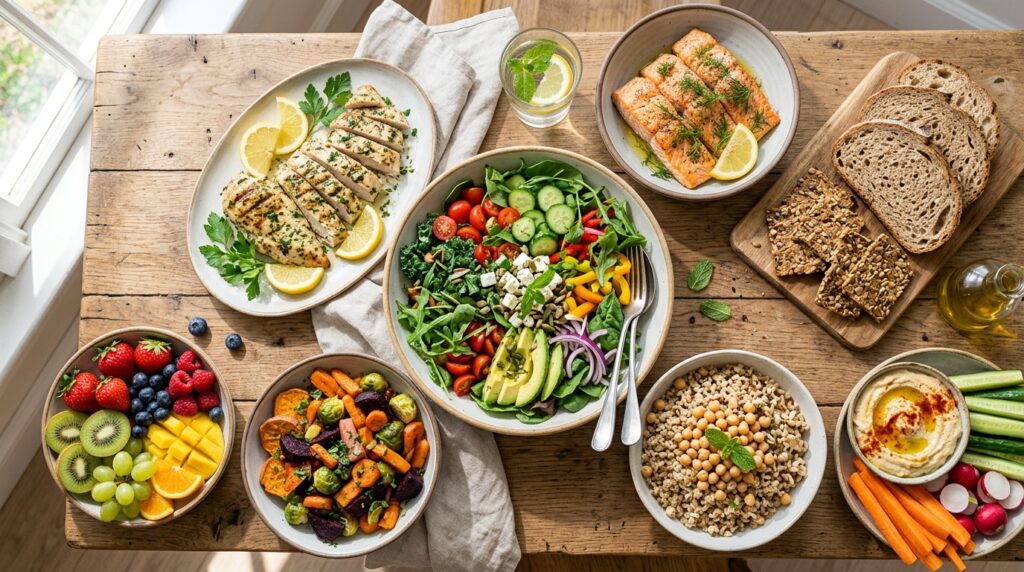
Healthy eating is often presented as a complicated system of strict rules, special ingredients, and constantly changing diet trends. In reality, building a better relationship with food can be much simpler. Understanding ingredients, planning balanced meals, learning basic cooking techniques, and making sustainable choices can improve everyday eating without turning every meal into a nutritional calculation.
Food also represents much more than nutrition. It connects families, cultures, celebrations, restaurants, agriculture, travel, and personal traditions. Developing better food habits therefore means finding a balance between nourishment, enjoyment, convenience, and individual needs.
- Start With a Balanced Approach to Nutrition
- Be Careful With Diet Trends
- Think About Eating Patterns, Not Perfection
- Cook More Meals at Home
- Learn a Few Fundamental Cooking Techniques
- Make Food Enjoyable
- Learn From Professional Cooking Principles
- Plan Meals Before Grocery Shopping
- Use Seasonal Ingredients
- Understand Added Sugar
- Read Restaurant Menus Strategically
- Learn How to Read Food Labels
- Include Adequate Protein
- Eat More Plants in Practical Ways
- Make Hydration Part of the Routine
- Understand Food and Drink Pairing
- Control Portions Without Obsessive Measurement
- Make Restaurant Eating More Intentional
- Reduce Food Waste
- Keep Convenient Ingredients Available
- Do Not Label Foods as Morally Good or Bad
- Respect Cultural Food Traditions
- Teach Children About Food Through Participation
- Be Skeptical of Miracle Foods
- Adjust Eating Habits Gradually
- Food Safety Matters
- Make Eating Habits Sustainable
Start With a Balanced Approach to Nutrition
No single meal determines the overall quality of a person’s diet. What matters more is the pattern created across days and weeks.
A practical approach can include vegetables and fruits, sources of protein, whole or minimally processed carbohydrate sources, appropriate fats, and sufficient fluids. Exact nutritional needs differ according to age, activity level, health circumstances, and other individual factors.
People interested in nutrition-focused discussions may encounter resources such as Candid RD while exploring broader information about food and dietary choices.
Be Careful With Diet Trends
New eating plans regularly become popular through social media, books, celebrity discussions, and online communities. Some are based around particular foods, while others restrict specific nutrients or establish strict eating schedules.
Before adopting a diet, consider whether it provides adequate nutrition, whether its rules can realistically be maintained, and whether there is credible evidence behind its claims.
For example, people researching specific diet trends may encounter resources such as Sirtfood Diet. Learning about a dietary approach does not mean it is automatically suitable for everyone, particularly when individual health conditions or nutritional requirements are involved.
Think About Eating Patterns, Not Perfection
One common reason people abandon healthier eating habits is an expectation of perfection. A single restaurant meal, dessert, celebration, or convenience meal is treated as though it has destroyed all previous progress.
A more sustainable perspective considers the overall pattern. Nutritious meals can coexist with occasional indulgences.
Readers interested in the connection between food habits and long-term well-being may encounter resources such as Eat Well and Live Long while researching related ideas.
Consistency usually matters more than trying to follow an unrealistic standard every day.
Cook More Meals at Home
Home cooking gives people greater control over ingredients, portions, seasoning, and preparation methods. It can also make it easier to adapt meals according to personal preferences.
Cooking does not need to involve complicated recipes. A basic meal can combine a protein source, vegetables, a carbohydrate component, and simple seasoning.
People interested in home-style food ideas may come across resources such as Farmhouse Foods Co during their broader exploration of food.
Developing a small collection of reliable recipes can make home cooking much easier during busy weeks.
Learn a Few Fundamental Cooking Techniques
Recipes are useful, but understanding basic techniques provides greater flexibility.
Learning how to roast vegetables, cook grains, prepare eggs, sauté ingredients, make a simple sauce, season proteins, and prepare soups can create dozens of possible meals from ordinary ingredients.
Technique also helps reduce dependence on exact recipes. Once someone understands how ingredients behave during cooking, substitutions and adjustments become easier.
Make Food Enjoyable
Nutrition is important, but enjoyment matters too. An eating pattern that someone dislikes is unlikely to remain sustainable indefinitely.
Flavor can come from herbs, spices, citrus, garlic, onions, sauces, marinades, and different cooking methods rather than relying entirely on excessive amounts of any single ingredient.
Food enthusiasts exploring different dishes and culinary ideas may encounter resources such as Foody Goody.
Trying new ingredients periodically can prevent everyday meals from becoming repetitive.
Learn From Professional Cooking Principles
Professional chefs often approach cooking differently from inexperienced home cooks. Preparation is organized before cooking begins, ingredients are handled according to their characteristics, and seasoning is adjusted throughout the process.
Home cooks can adopt many of these habits without needing professional equipment.
Those interested in chef-oriented perspectives and culinary subjects may encounter resources such as Entre Chefs.
Preparing ingredients before heating the pan, tasting food during cooking, and keeping a workspace organized can immediately make cooking more manageable.
Plan Meals Before Grocery Shopping
Shopping without a plan can lead to unnecessary purchases and ingredients that eventually go unused.
Before visiting a grocery store, look at what is already available at home and choose several meals that share ingredients. A vegetable purchased for dinner, for example, might also be incorporated into lunch the following day.
This approach can reduce food waste while making meal preparation easier.
Use Seasonal Ingredients
Seasonal ingredients can introduce variety into everyday cooking. Fruits and vegetables naturally change throughout the year, encouraging different recipes and preparation methods.
Local food traditions also frequently develop around ingredients that are readily available in a particular region or season.
People exploring traditional food production and sweet ingredients may encounter resources such as Meadow View Sugarhouse as part of their wider food research.
Understand Added Sugar
Sugar occurs naturally in foods such as fruit and dairy products, while added sugars are incorporated during preparation or manufacturing.
Sweet foods can be enjoyed as part of an overall diet, but it is useful to recognize how frequently added sugar appears in beverages, desserts, sauces, cereals, snacks, and other packaged products.
Reading ingredient lists and nutrition labels can make these sources easier to identify.
Read Restaurant Menus Strategically
Eating outside the home is part of normal life for many people. Restaurant meals can be enjoyed without abandoning broader eating goals.
Reviewing a menu in advance can help diners understand available options, prices, portion styles, and meal combinations. People searching for menu-related information, particularly in Pakistan, may encounter resources such as Menu.net.pk.
The best choice depends on the occasion. Sometimes someone may want a lighter meal, while at other times a celebration meal may be the priority.
Learn How to Read Food Labels
Packaged food labels can provide useful information, but marketing language on the front of packaging should not replace reading the actual nutritional information and ingredient list.
Serving size is particularly important. A package that appears to contain one portion may sometimes provide nutritional information based on a smaller serving.
Comparing similar products can help consumers understand differences in ingredients, protein, fiber, sodium, added sugars, and other nutritional characteristics relevant to their needs.
Include Adequate Protein
Protein contributes to numerous functions in the body and can come from many different foods.
Depending on dietary preferences, sources may include meat, fish, eggs, dairy products, legumes, tofu, and other foods. Different protein sources also provide different accompanying nutrients.
Rather than concentrating all protein into one meal, many people find it practical to include an appropriate source across meals throughout the day.
Eat More Plants in Practical Ways
Eating more plant foods does not necessarily require becoming vegetarian or completely redesigning every meal.
Vegetables can be added to soups, sandwiches, pasta dishes, curries, rice dishes, omelets, and stir-fries. Fruit can provide a convenient snack or dessert option, while beans and lentils can contribute both protein and fiber to meals.
Small additions made consistently can substantially increase dietary variety.
Make Hydration Part of the Routine
Hydration is easy to overlook when people focus exclusively on food. Fluid needs vary depending on climate, activity, individual characteristics, and other factors.
Keeping water readily available can make regular drinking easier. People who dislike plain water may prefer appropriate alternatives or flavor it with ingredients such as citrus or herbs.
Alcoholic drinks require separate consideration because they contain alcohol and may also contribute additional calories or sugar depending on the beverage.
Understand Food and Drink Pairing
Food experiences can also involve pairing flavors across meals and beverages. Acidity, sweetness, bitterness, richness, spice, temperature, and texture can influence how combinations taste.
Readers exploring food alongside cocktail culture may encounter resources such as Team Vodka Martini.
For adults who choose to drink alcohol, moderation and awareness of individual health circumstances remain important.
Control Portions Without Obsessive Measurement
Portion awareness can be useful, particularly when restaurant meals or packaged foods provide significantly more than someone actually wants.
However, every meal does not necessarily need to be weighed and measured. Paying attention to hunger, fullness, meal composition, and eating speed can help people develop better awareness over time.
Eating slowly also gives the body more time to register satisfaction before additional food is consumed automatically.
Make Restaurant Eating More Intentional
Restaurant meals are often richer than meals prepared at home because flavor and customer satisfaction are primary considerations.
This does not make restaurant food inherently problematic. The frequency and overall dietary context matter.
Food lovers researching restaurant-style dishes and broader culinary subjects may encounter resources such as The Leadbelly.
When eating out regularly, diners can alternate richer meals with simpler options according to their individual goals.
Reduce Food Waste
Food waste affects household budgets as well as the broader food system. Better planning can reduce the amount discarded.
Store food according to its requirements, use highly perishable ingredients first, freeze appropriate leftovers, and periodically inspect refrigerators and cupboards before shopping.
Leftovers can also become ingredients. Cooked vegetables may be added to an omelet, roasted meat can become a sandwich filling, and ripe fruit can be incorporated into smoothies or other dishes.
Keep Convenient Ingredients Available
Busy schedules often make convenience the deciding factor in what people eat. Instead of assuming every meal will be prepared from scratch, keep practical ingredients available for difficult days.
Frozen vegetables, eggs, canned beans, grains, yogurt, fruit, bread, and other appropriate staples can help create quick meals with minimal preparation.
Convenience and nutritious eating do not have to be opposites.
Do Not Label Foods as Morally Good or Bad
Describing food in moral terms can create unnecessary guilt around eating. Foods differ in nutritional composition, but eating a dessert does not make someone a bad person, just as eating vegetables does not create moral superiority.
A more useful question is how frequently a particular food appears within the overall diet and what nutritional role it plays.
This perspective can make healthy eating more flexible and sustainable.
Respect Cultural Food Traditions
Healthy eating does not require abandoning traditional cuisine. Most food cultures contain a wide variety of ingredients and preparation methods that can fit into balanced eating patterns.
Traditional recipes also carry history and family identity. Instead of replacing them automatically, people can adjust portions, cooking techniques, or accompanying foods when necessary while preserving the character of the meal.
Teach Children About Food Through Participation
Children can develop greater familiarity with food when they participate in age-appropriate preparation.
Simple activities such as washing produce, mixing ingredients, selecting vegetables, or helping plan meals can make food less mysterious and encourage practical skills.
The objective should not be to create anxiety about nutrition. It is more useful to develop curiosity, variety, and an understanding of how meals are prepared.
Be Skeptical of Miracle Foods
Individual ingredients are sometimes promoted as though they can independently transform health. Nutrition rarely works that way.
A nutritious ingredient can certainly contribute valuable nutrients, but its effect depends on the broader dietary pattern and individual circumstances.
Be cautious when ordinary foods are associated with extraordinary promises unsupported by credible evidence.
Adjust Eating Habits Gradually
Trying to change every food habit simultaneously can become overwhelming. Smaller changes are easier to maintain and evaluate.
Someone might begin by preparing breakfast more regularly, adding vegetables to dinner, reducing unnecessary sugary drinks, or cooking one additional meal at home each week.
Once one habit becomes routine, another can be added.
Food Safety Matters
Good nutrition is only useful when food is handled safely. Basic kitchen hygiene includes washing hands, preventing cross-contamination, storing perishable foods appropriately, and cooking foods to safe temperatures where applicable.
Leftovers should also be stored correctly rather than remaining at unsafe temperatures for extended periods.
People with particular medical vulnerabilities may need to follow additional food-safety precautions based on professional guidance.
Make Eating Habits Sustainable
The best eating pattern is not necessarily the most fashionable or restrictive one. It is one that provides appropriate nutrition while fitting realistically into a person’s culture, budget, schedule, preferences, and health needs.
Food should support everyday life rather than become a constant source of stress. Cooking skills, meal planning, nutritional awareness, thoughtful shopping, and flexibility can make this easier.
Instead of searching for a perfect diet, focus on building repeatable habits. Eat a varied range of foods, learn how ingredients work, enjoy meals, remain appropriately active, and make adjustments when circumstances change.
Over time, these simple principles can create a healthier and more enjoyable relationship with food than constantly moving from one restrictive trend to another.